
Salt Island British Virgin Islands


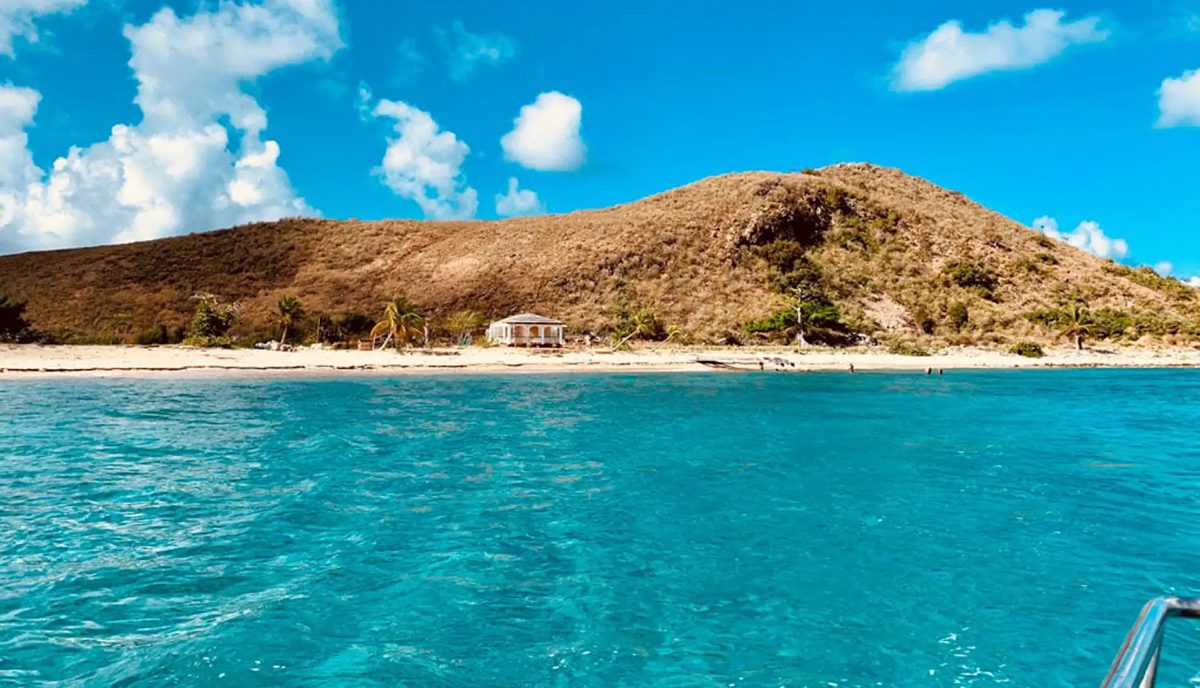
While sailing in the Sir Francis Drake Channel, Salt Island is a great anchorage to explore!
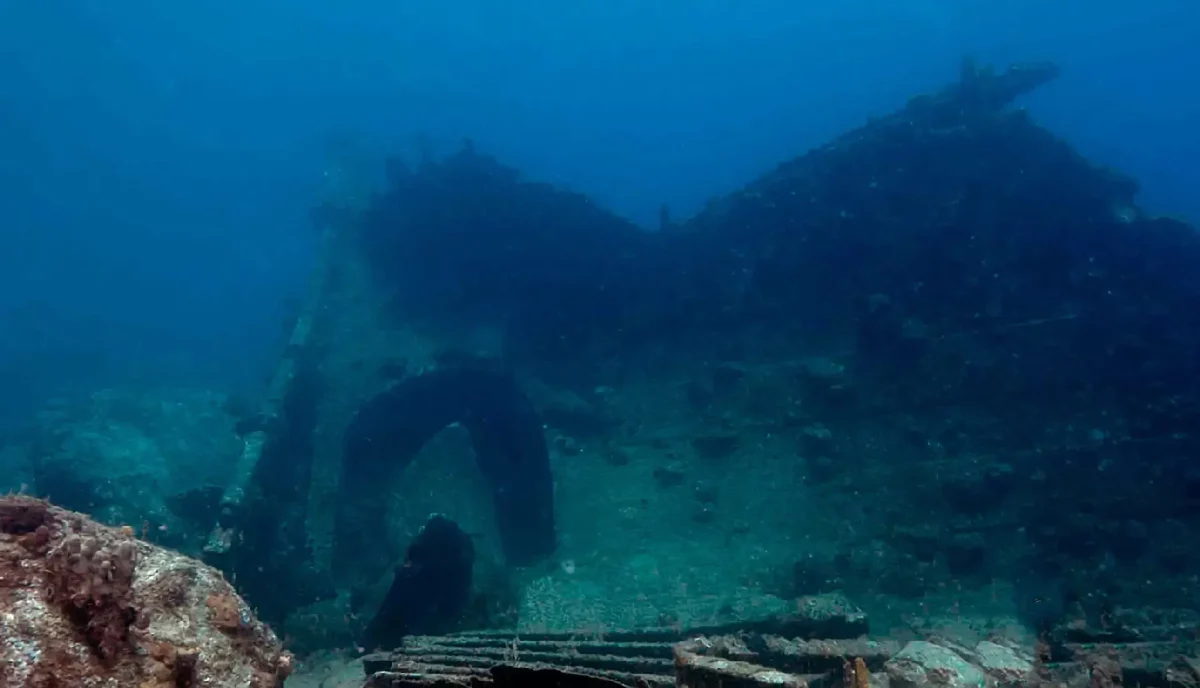
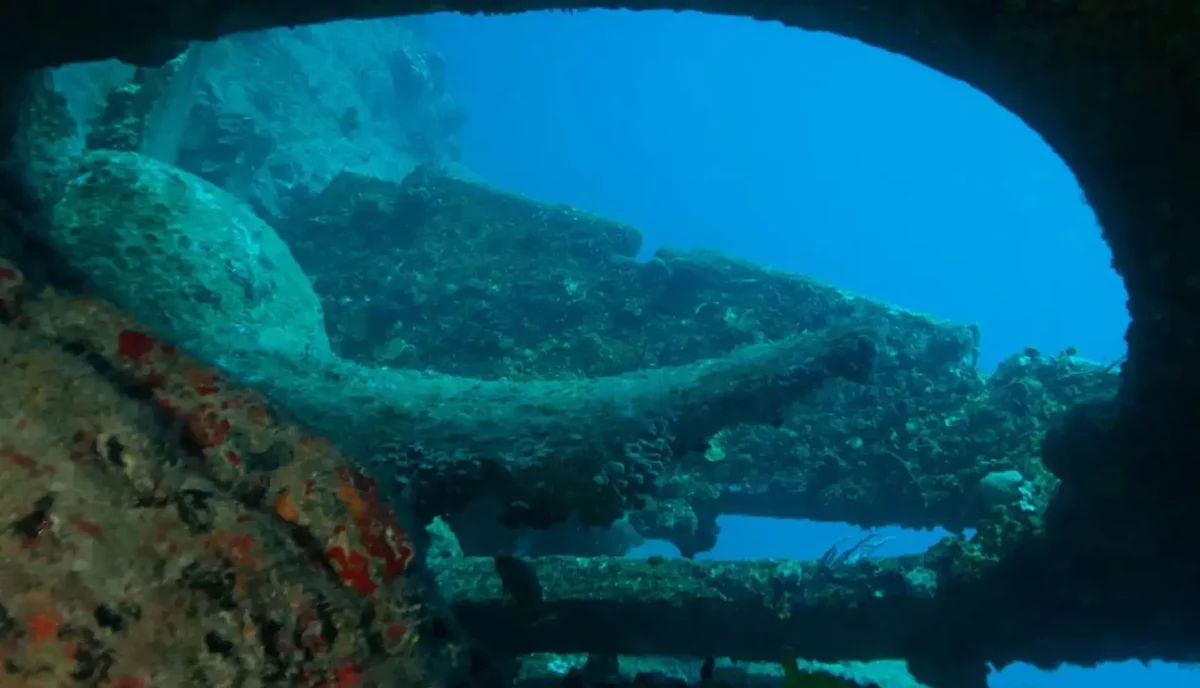
Take advantage of the great diving, snorkeling, hiking, and beachcombing Salt Island has to offer. The island is renowned for the wreck of the RMS Rhone.
The RMS Rhone is consistently ranked among the top ten dive wrecks globally and is often considered the premier dive site in the Caribbean.
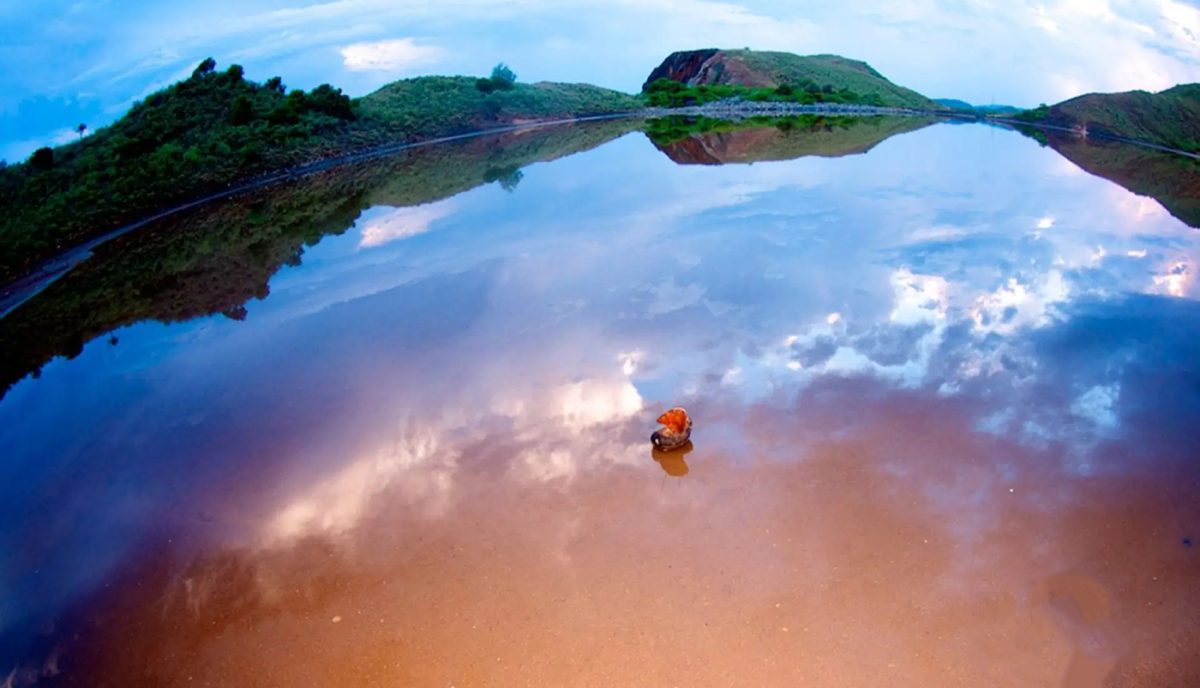
Beyond its marine attractions, Salt Island boasts two large, naturally formed salt ponds. These ponds fill with seawater and dry out during the summer months, leaving a salt crust around their edges. Locals would collect this salt and sell it to passing vessels.
Before the advent of refrigeration, salt was a vital means of preserving meat and fish. As a result, boats would anchor near the shore, and people would row ashore to stock up on this essential commodity.


Sailing Ships That Visited The British Virgin Islands
The old sailing ships did not have heavy lead keels like we expect to find on sailboats; they would lay hundreds of ballast rocks in the lowest part of the bilge to add stability.
These were generally round river rocks local to wherever they unloaded cargo, usually in Europe.
If the vessel took on cargo, the weight of the load would offset some of the required stones. Because of this, if you snorkel the waters off the jetty on Salt Island, British Virgin Islands, you will see hundreds of round rocks that are not native to the area.
These are ballast stones. Ballast stones are one of the first items you look for when locating treasure wrecks.
Old Bottles
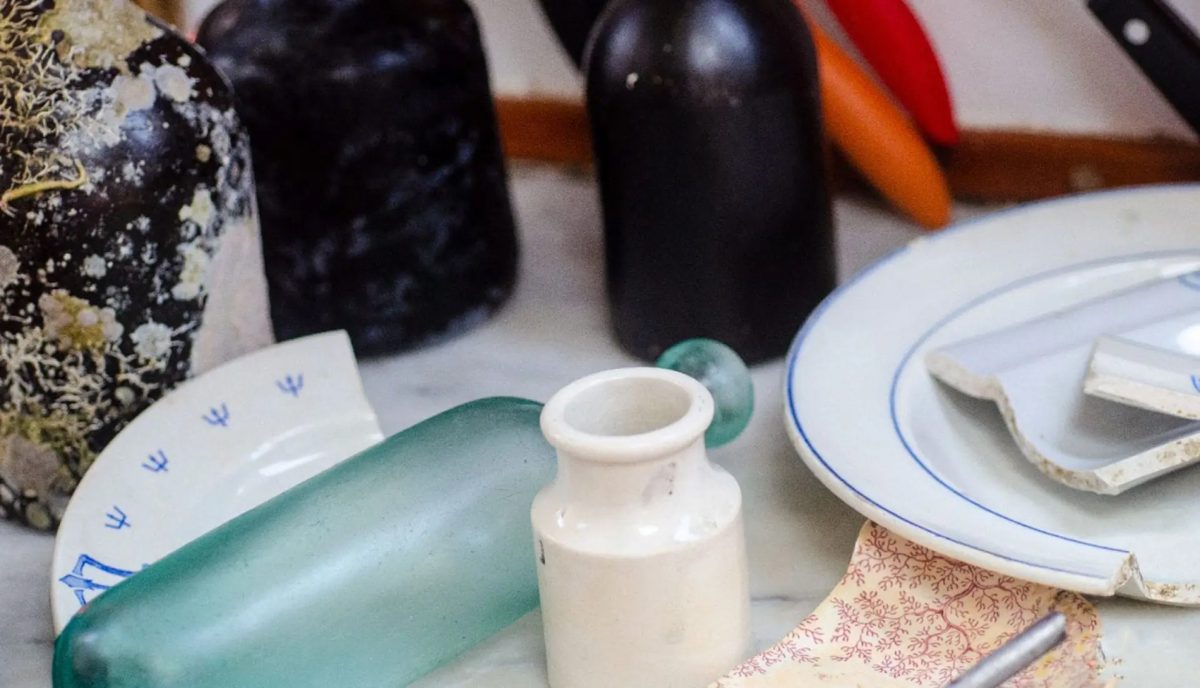
As many boats sat there, the sailors would drink rum at night and then toss the bottles overboard.
Bottles dating back to the 1600s can still be found around Salt Island.
There is still much old glass on the bottom of the seafloor. Occasionally, another old complete bottle gets pulled up from beneath the sand when a boat retrieves its anchor.
Sea glass shards can always be found on the beach and around the salt ponds.


Salt Island Residents
Though privately owned, the houses on Salt Island stand as a testament to the resilience of its residents. Despite the island’s buildings being heavily damaged and many destroyed in the 2017 hurricanes, the spirit of the community remains unbroken.
The last resident, Henry, who left the island around 2004, is now passed on and buried on Salt Island.
As you venture through the island, you’ll encounter the enigmatic concrete bunkers onshore. These structures, once filled with wood and ignited by the residents, hold a profound place in the island’s history, sparking a sense of curiosity and eagerness to explore further.
A steel door was closed, starving the fire of oxygen.
The wood would continue to smoke, turning it into charcoal.
Charcoal is still used as cooking fuel in the Caribbean. In earlier years, island residents sold charcoal to St Thomas in the US Virgin Islands.
South Bay
You can embark on a journey from the beach to the back of the island and go ahead and discover the captivating South Bay. The beach here is composed of coral rubble, each piece roughly the size of a football, adding to the allure of this unique landscape.
Amidst the coral rubble, you may stumble upon some exquisite shells. However, navigating this terrain can be demanding. It’s crucial to proceed with caution and be strategic about your steps, ensuring your safety while relishing the unique landscape. A hike to the top of one of the hills also presents a perfect opportunity for memorable vacation pictures.
Many of the casualties of the RMS Rhone wreck lay at the western end of the beach.


Man Head Point
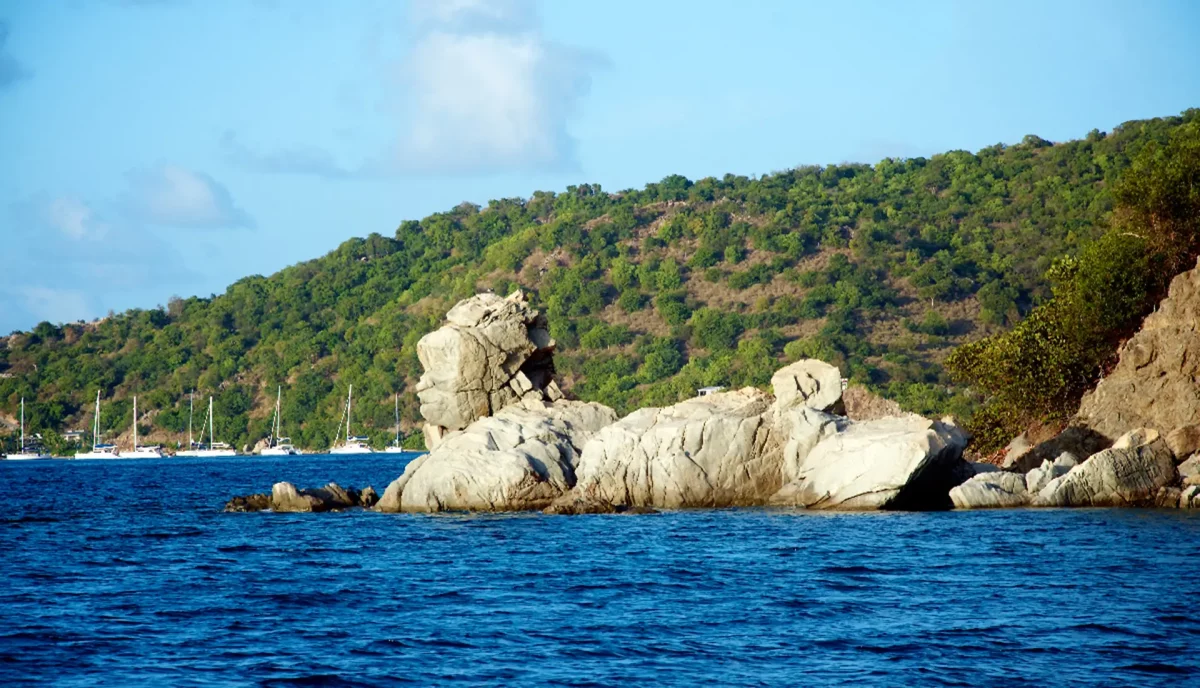
Man head point is the prominent headland that juts out to the east of the settlement. While off the beach and looking at the point at some angles, the cape looks like the Sphinx.
From another angle, people say it is a Silverback Gorilla. Ride over to it in the dinghy and cruise to get different perspectives; camera buffs love it!
The stretch of shoreline between the beach and Man Head Point is a haven for snorkelers. The shallow, tranquil waters are home to diverse marine life, including southern stingrays, turtles, jacks, goatfish, barracuda, and a vibrant assortment of aquarium fish. Watch for large groups of Caribbean reef squid, who often observe snorkelers from just off the reef.
Additional Salt Island Info
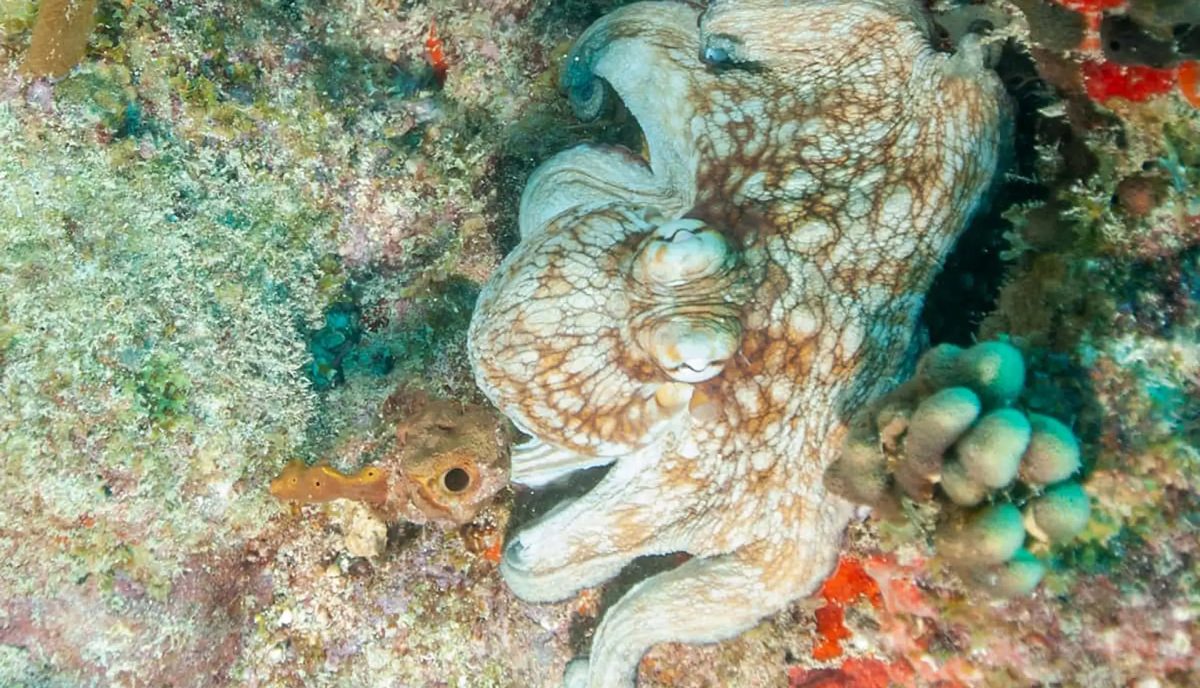
masters of disguise, so much so that they can cross a checkerboard and change their color to match the board. Octopi needs to improve housekeeping habits. At night, they leave their lair and search for crabs and shells.
When they find a shell, they take it home to eat; the octopus tosses it out of their front door.
Don’t look for the octopus; look for a small group of shells while snorkeling.
Next to the pile, there will be a small hole or gap in the rocks. Take a look; there will be an eye looking back at you! Octopi makes great little workers, collecting and cleaning shells for you.


South Bay Anchorage
On the southwestern side of Salt Island is South Bay. This area can be a pleasant anchorage during the Christmas winds, anchoring between 30 and 50 feet and substantial coral beds here. Do not anchor here unless the sun is high enough to find the sandy patches.
At the site of the RMS Rhone, many national park mooring balls are close together; some are placed for smaller dive boats rather than yachts.
If you are on them, be aware of your neighbors; they may be close enough to touch you.
National Park
The area from the west side of Salt Island over to the east side of Dead Chest Island makes up the Rhone National Park. Do not anchor or fish within the National Park.
If your boat is over 60 feet long or no more moorings are available, anchor around off the beach at the settlement and dingy around.
For snorkeling, this will place you in a better spot to see the wreck. The dingy mooring is the two blue balls with a line between them; tie to the line and jump in. The RMS Rhone is just west of the large black rock that juts from the shoreline.
The south side of the island features another large bay suitable for anchoring, but it’s not ideal during easterly and south-easterly winds.
The Wreck of the RMS Rhone
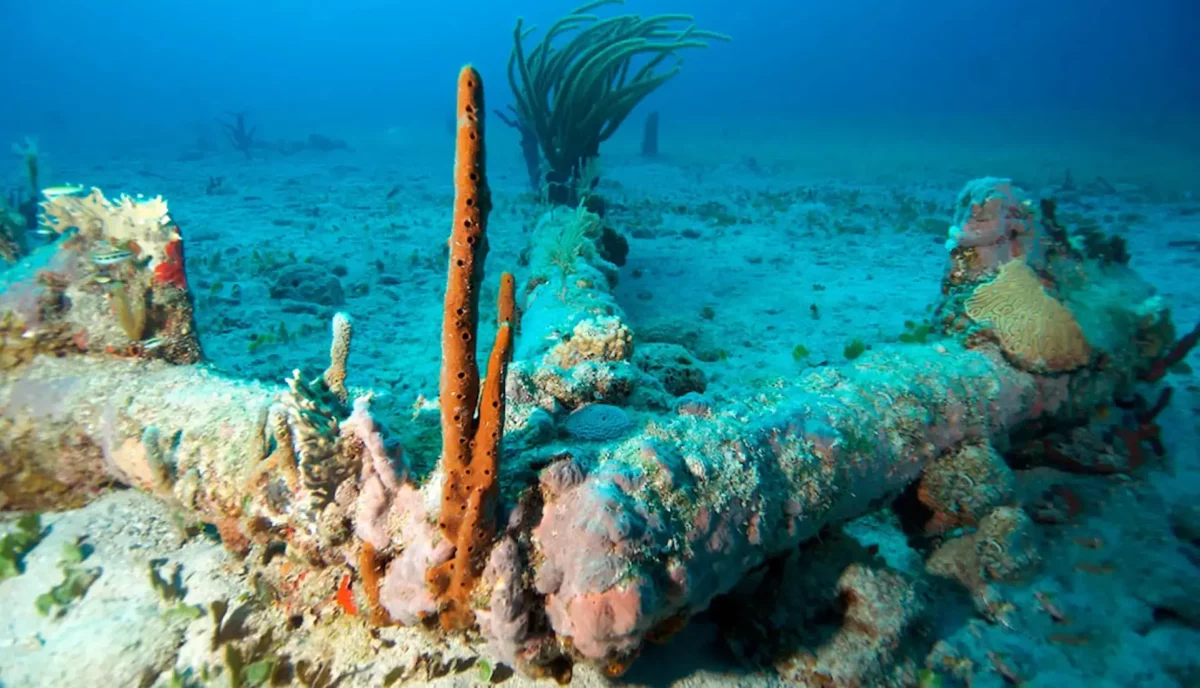
The Wreck of RMS Rhone, situated off the coast of Salt Island, is a highly sought-after wreck diving destination. The Rhone tragically sank on October 29, 1867, during a hurricane, resulting in the loss of 123 lives.


The Wreck of RMS Rhone at Salt Island
Clementine Smith
Clementine Helena Leonard Smith, born on May 9, 1911, grew up on Salt Island. After elementary school in Tortola, she returned to help with the island’s daily activities, including fishing, farming, and salt mining. In 1935, she married Gerald Smith of Peter Island, and they had nine children.
Once her children moved to Tortola for education, Clementine dedicated herself to maintaining the burial ground of the HMS Rhone shipwreck victims, a site on Salt Island known for its tragic sinking in 1867, now a popular wreck dive site. She also shared the history and culture of the local islands with tourists.
Recognized for her contributions, Clementine received the British Empire Member Medal in 1985 and was honored by the Frederick Pickering Memorial Foundation in 1996. She passed away on May 14, 2002, and is buried in the graveyard she tended. Following her death, Norwell Durant became the last resident of Salt Island, continuing the family tradition of salt collection until he died in 2004.
No one resides on Salt Island today, but visitors still enjoy its beaches and history.
How Can I Book A Yacht Vacation To Go To Salt Island?
You can send us an inquiry through our quote form here.
Or through the bottom of our yacht pages or call us at 954-271-3005
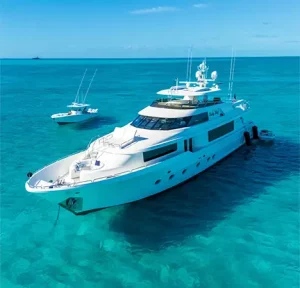
Luxury Yachts Perfect for Diving the RMS Rhone


From $65,000/week
Plus Expenses or APA (Advanced Provisioning Allowance)
The charter rate shown includes the use of the charter yacht, professional crew and onboard equipment.
All other daily expenses, that are not included in the base rate, will be covered with an Advanced Provisioning Payment (APA). This is collected before the charter commences.
APA expenses include fuel for both the yacht and tender, provisions, dockage, moorings, airport transfers, cruising permits and taxes, scuba diving and onshore excursions.
The APA payment is typically 20%-25% of the base charter rate for sailing yachts and 30%-35% for motor yachts. Your captain will purchase provisions, taxes, fuel etc for the charter using the APA and will keep all receipts along with a running log of expenses. This can be viewed at any time during your charter.
Any APA that has not been spent will be returned to you at the end of the charter. If during the charter, expenses exceed the APA, additional funds will need to be submitted. Your captain will update and advise you if any further payment is required. This will need to be paid before you disembark.
Crew Gratuity is separate and is typically 15%-20% of the charter rate. This should be given to your captain at the end of your charter.
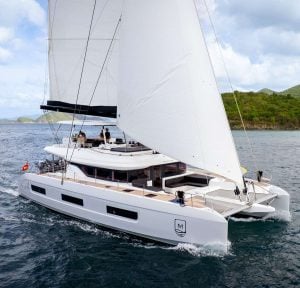

Our charter boat vacation was nothing short of spectacular, thanks to an incredible crew and an impeccably maintained catamaran. From the moment we stepped aboard, the crew was engaging, warm, and genuinely pleasant, making us feel at home right away.
One of the standout features of this trip was having the ability to dive directly from the boat. Being able to slip into the water whenever the mood struck was absolutely incredible and added a level of adventure we didn’t expect but absolutely loved. The flexibility that comes with chartering was a huge highlight as well; the crew was extremely accommodating and made every effort to tailor our itinerary and onboard experience to exactly what we wanted.
Let’s talk about the food and drinks, because wow. The coffee, cocktails, and meals were true showstoppers. Every sip and bite felt like a high-end treat, and the overall dining experience elevated the entire trip.
The catamaran itself was spotless. Not only was it beautifully kept from the start, but the crew did an amazing job maintaining its tidiness throughout our stay without ever feeling intrusive.
On top of all that, the water toys made our time aboard even more fun. The sea foil and sea scooters were exciting additions that kept everyone entertained for hours.
Overall, this was a dream vacation, made extraordinary by an exceptional crew, flawless service, and unforgettable moments. We can’t recommend this charter highly enough!
Thanks again for an incredible trip! All the best to you and girls this season.
Cheers,
Cristine (and of course Rick, Graham, Walt and Jane)
From $52,000/week
All Inclusive
The charter rate shown includes the use of the charter yacht with professional crew and onboard equipment.
Also included are all meals and snacks onboard, all beverages from the yachts fully stocked bar along with tea, coffee and non-alcoholic drinks. All water sport activities provided by the yacht and fuel for both the yacht and tender.
Excluded in the rate are airport transfers, shore activities such as shopping, dining or special off yacht activities, port fees, park permits and fishing permits in certain locations. Any premium liquor, wines and champagne that not normally stocked and excessive alcohol consumption will be an additional charge.
Crew Gratuity is separate and is typically 15%-20% of the charter rate. This should be given to your captain at the end of your charter.
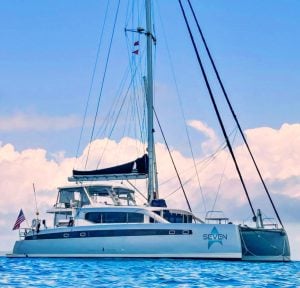

A trip that exceeded all our expectations. We thought we’d spend a week with friends escaping the Ohio weather. It was exponentially more than that. So fun to explore a new island each day, feeling like we had space and freedom to enjoy the sea life, the people, and the aura without suffocating crowds. Thank you for taking such good care of us and creating an experience we will treasure as we journey back to Ohio. We will tell our friends to book on SEVEN. Hands down the best Caribbean vaca ever!
From $47,250/week
All Inclusive
The charter rate shown includes the use of the charter yacht with professional crew and onboard equipment.
Also included are all meals and snacks onboard, all beverages from the yachts fully stocked bar along with tea, coffee and non-alcoholic drinks. All water sport activities provided by the yacht and fuel for both the yacht and tender.
Excluded in the rate are airport transfers, shore activities such as shopping, dining or special off yacht activities, port fees, park permits and fishing permits in certain locations. Any premium liquor, wines and champagne that not normally stocked and excessive alcohol consumption will be an additional charge.
Crew Gratuity is separate and is typically 15%-20% of the charter rate. This should be given to your captain at the end of your charter.