
Anegada BVI sits 15 miles north of Virgin Gorda, well outside the main Sir Francis Drake Channel, and most charter guests never make it there. That is a shame, because Anegada is unlike any other island in the Caribbean — and once you’ve been, it tends to become the first thing people ask about when they’re planning their next BVI charter.
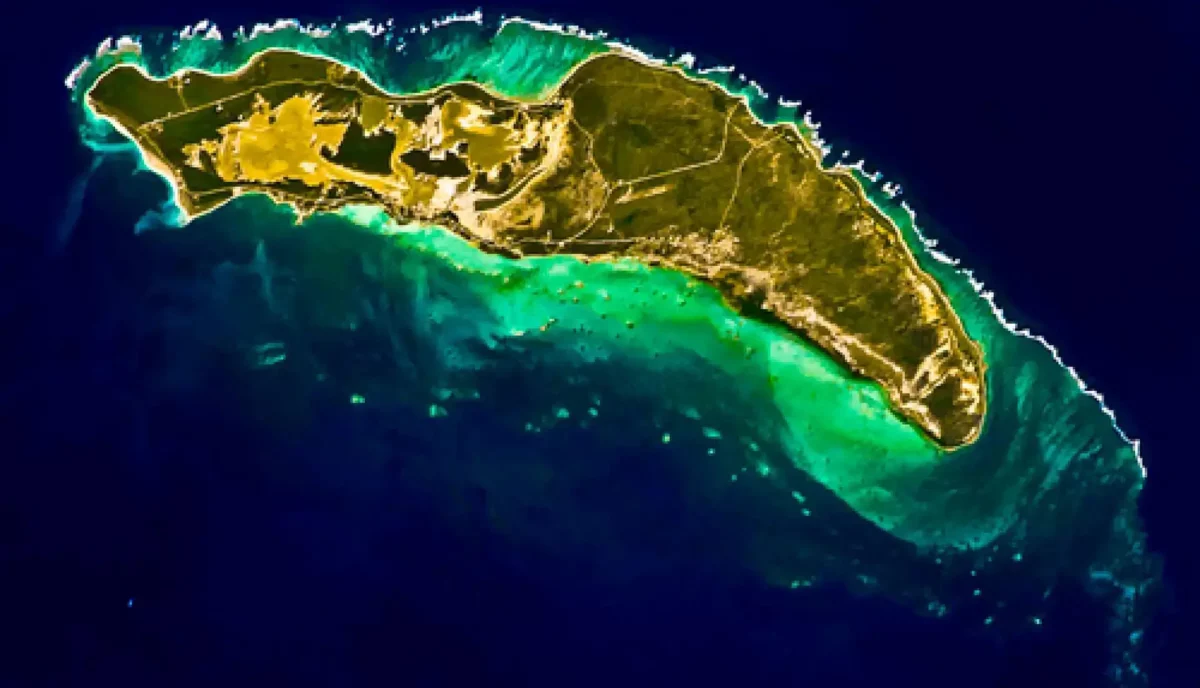
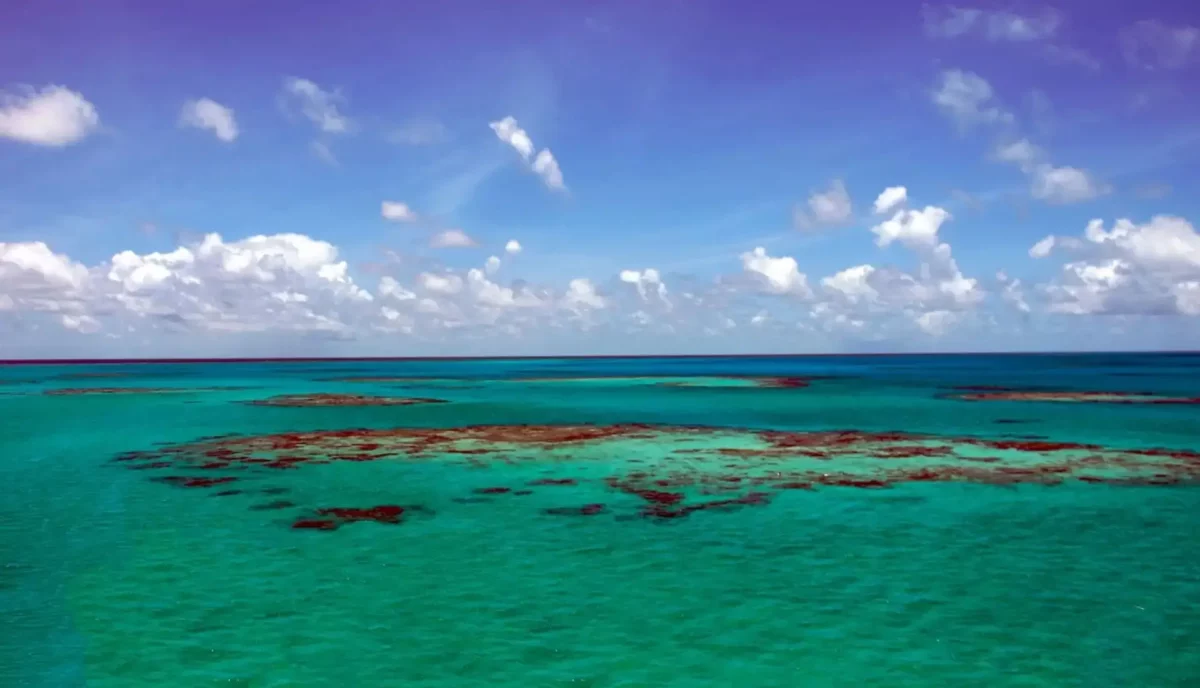
It has miles of empty white beach. The best lobster dinner you will eat anywhere. A pyramid of conch shells that appears on 17th-century charts. Flamingos in the salt ponds. An iguana that exists nowhere else on earth. And a reef system so vast and so treacherous that over 300 ships have wrecked on it over the centuries — visible from the International Space Station.
Here’s everything you need to know about getting there and making the most of it.
What Makes Anegada Different
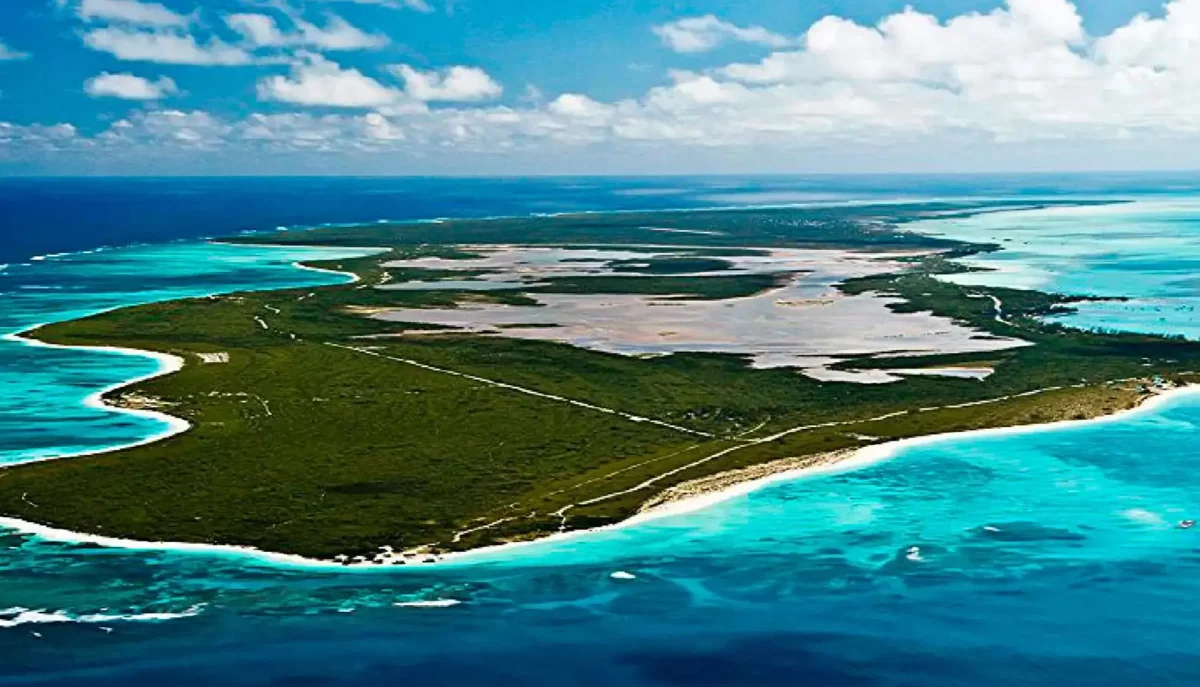
Every other island in the British Virgin Islands is volcanic — steep, green, mountainous, dramatic. Anegada is none of those things. It is a coral atoll: a continuous build-up of reef and sand that has accumulated over millions of years into a flat, shifting island barely 28 feet above high tide at its highest point.
You do not see Anegada until you are almost on top of it. Sailing from Virgin Gorda the water gradually becomes shallower and clearer, the colour shifting from the deep blue of open ocean to a vivid turquoise as the reef shelf rises beneath you. Your captain will be on the bow looking for coral heads well before land appears. When it does, the only things higher than the island are the palm trees.


This reef — Horseshoe Reef — is the third-largest barrier reef system in the world, and it surrounds Anegada on three sides. For centuries it was the graveyard of ships that misjudged the approach or were driven onto it by storm. Spanish galleons, English merchant vessels, slave ships, privateers — the seabed around Anegada is a museum of Caribbean maritime history, and after a big storm new wreck material still washes up on the eastern beaches.
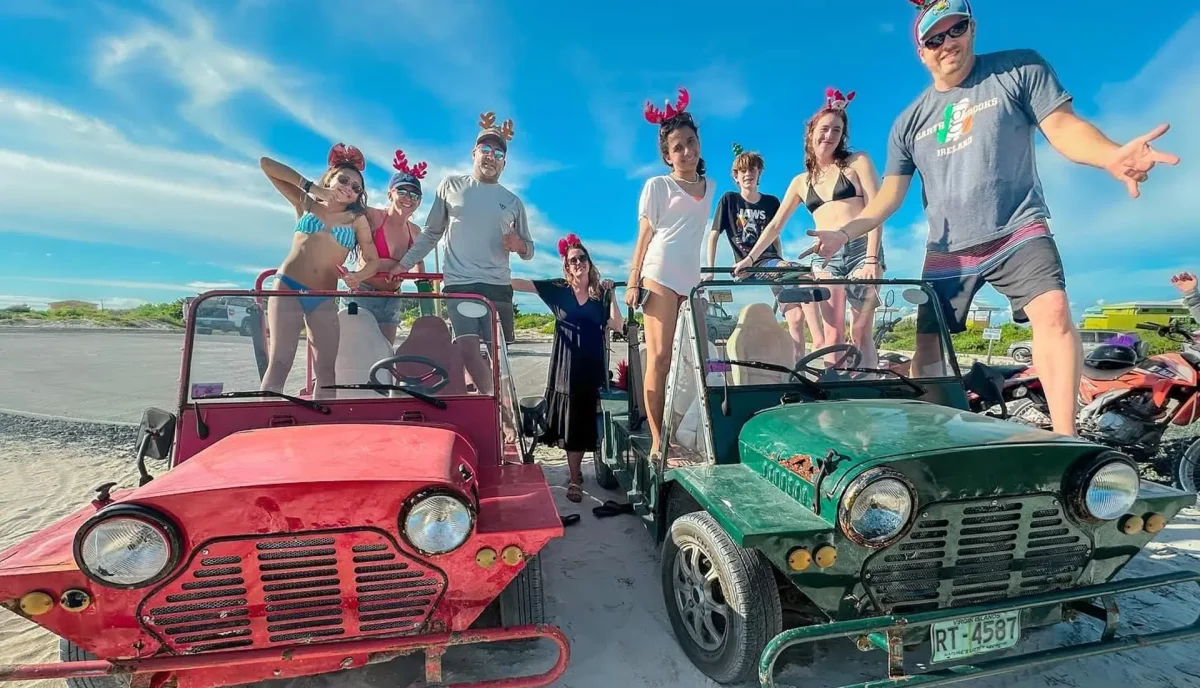
The island itself is 15 square miles of coral sand, salt ponds, scrub, and beach. The Settlement — Anegada’s small capital — is a few dozen homes, most of them wooden, many sitting on blocks of coral. There is one road that runs the length of the island. Getting around is done by taxi, rented golf cart, or Moke.
Getting to Anegada
The trip from North Sound on Virgin Gorda takes two to three hours under sail. The approach through the marked channel requires care and attention — your captain will be navigating carefully through coral heads in shallow water, and crew assistance on the bow is always appreciated. The reward for the approach is one of the most distinctive anchorages in the entire Caribbean.
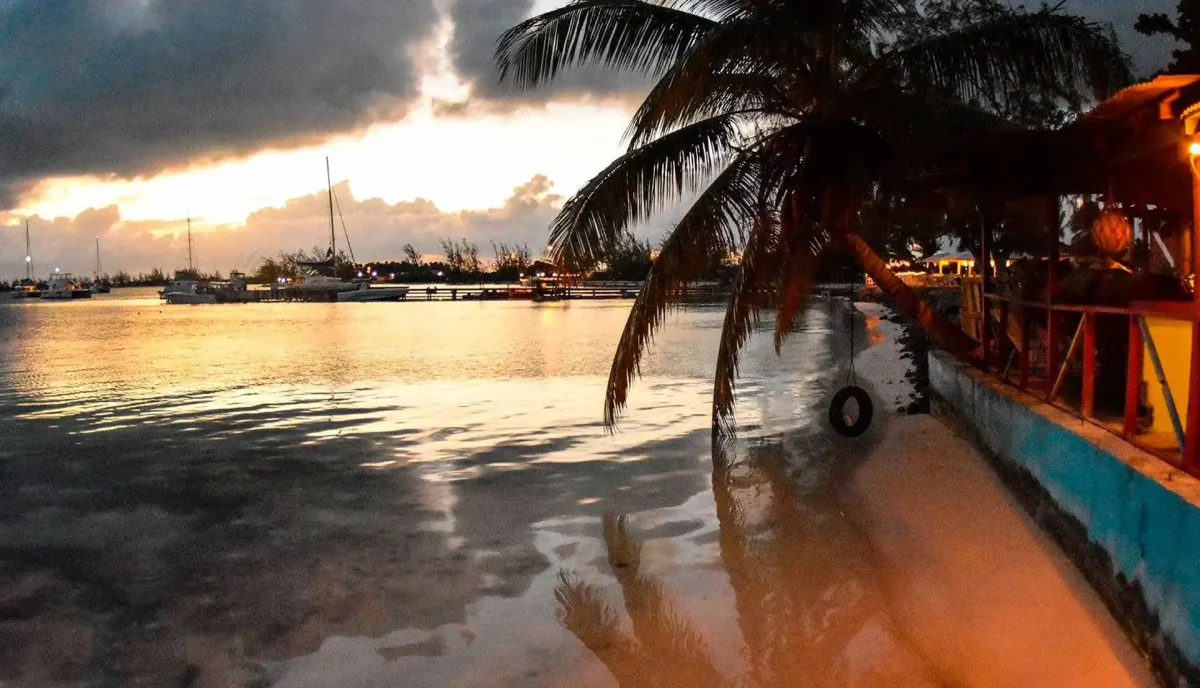
Beach bars and restaurants line the anchorage directly. You drop the hook or pick up a mooring ball and you are already there.
The Beaches
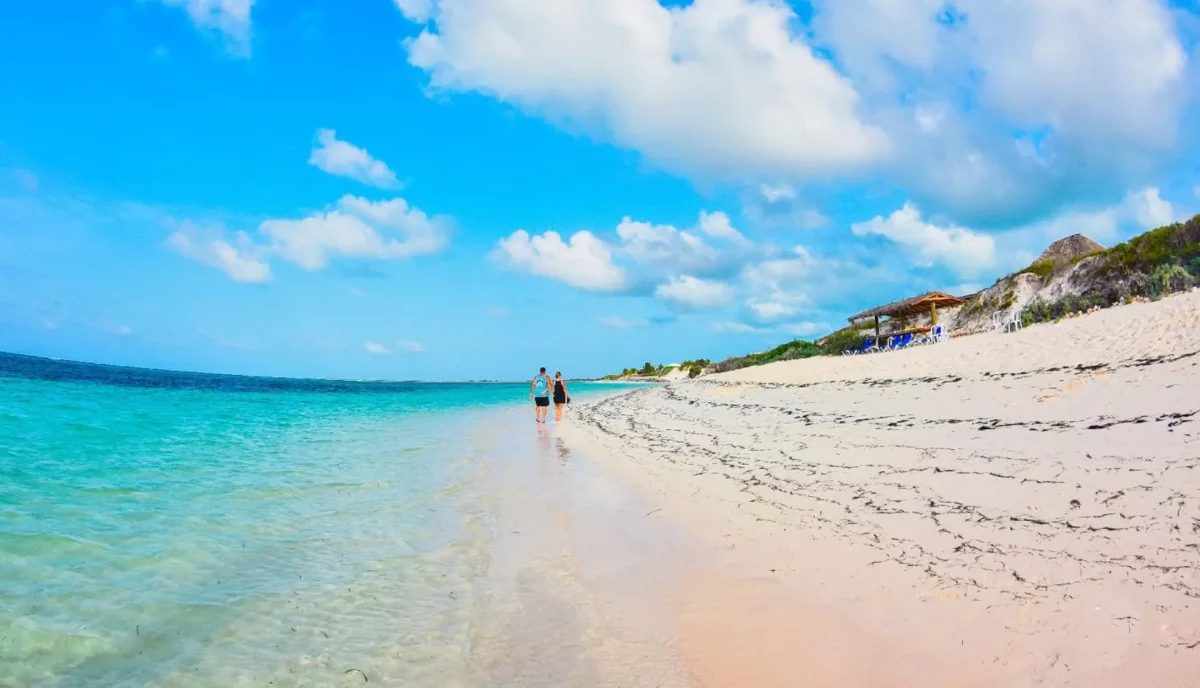
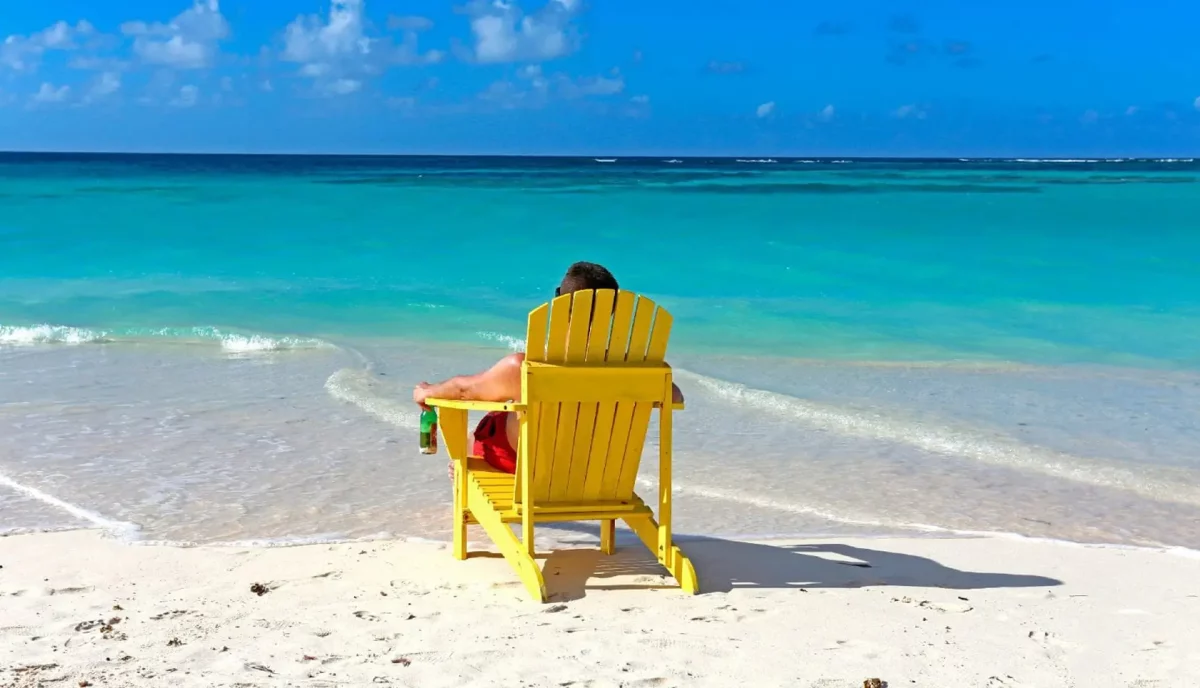
Anegada’s north shore beaches are among the most pristine in the Caribbean. Miles of white sand, shallow warm water protected by the fringing reef, and in most seasons almost no one else in sight.
The taxi from the anchorage to the north shore beaches runs every 30 minutes or so from the main restaurants — they’ll arrange it for you when you book dinner. An island tour across to the Settlement and the salt ponds is worth doing at least once; Kelly’s Tours runs a guided version that takes in the flamingos, Conch Mountain, and often includes a stop to buy fresh lobster directly from local fishermen.


Loblolly Bay on the north shore is the most popular stretch, with Cow Wreck Beach Bar and the Anegada Beach Club being the standout stops. Cow Wreck is named for a ship carrying cow bones that wrecked just offshore — Anegada Ann behind the bar makes exceptional painkillers and the lobster lunch is worth the trip alone. The Anegada Beach Club sits further along the bay with better food, a pool, a more refined setting, and a beach that genuinely seems to go on forever. This is my personal favourite on the island.
Take your snorkel gear to Loblolly. The water is shallow, warm, and protected, and the reef just offshore holds an abundance of fish life — parrotfish, snapper, blue tang, and if you’re lucky a passing turtle or eagle ray.


The Flamingos and the Gold Table
The salt ponds in the interior of Anegada are where you’ll often find flamingos wading and feeding. The BVI government and various conservation organisations have worked for years to protect and grow the flamingo population here, and sightings are reliable in most seasons. The taxi tour takes you past the main ponds; if conditions are right you’ll see them from the road.
One of these salt ponds — Table Pond — carries a legend that has circulated on Anegada for centuries. Pirates, the story goes, pillaged a solid gold table from a Spanish galleon and buried it in the soft mud at the bottom of the pond. The table’s own weight drove it steadily deeper into the clay until it sank beyond any recovery. No one has found it. Several people have tried.
The Anegada Rock Iguana
The Anegada rock iguana is found nowhere else on earth. For many years the Zoological Society of San Diego ran a breeding program on the island to pull the species back from the edge of extinction, and the program has been successful — populations have recovered significantly. If you wander any distance from the main settlement you are likely to encounter one. They are large, prehistoric-looking, and completely unbothered by humans. The DNA of every iguana species on the planet traces back to this one.
There is also a plant called pokemeboy — a fast-growing shrubby plant highly valued for boatbuilding because of its ability to survive as structural wood. Like the iguana, it is unique to Anegada. The name is self-explanatory if you walk into it.
Conch Mountain and Horseshoe Reef
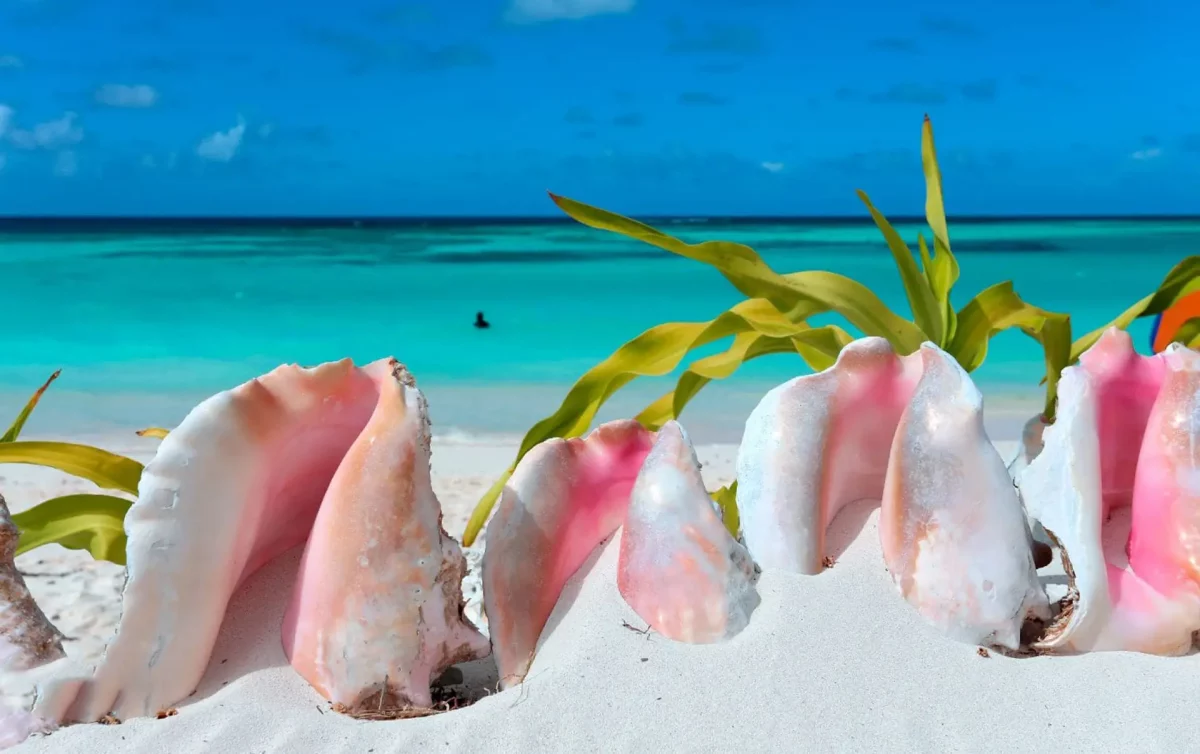
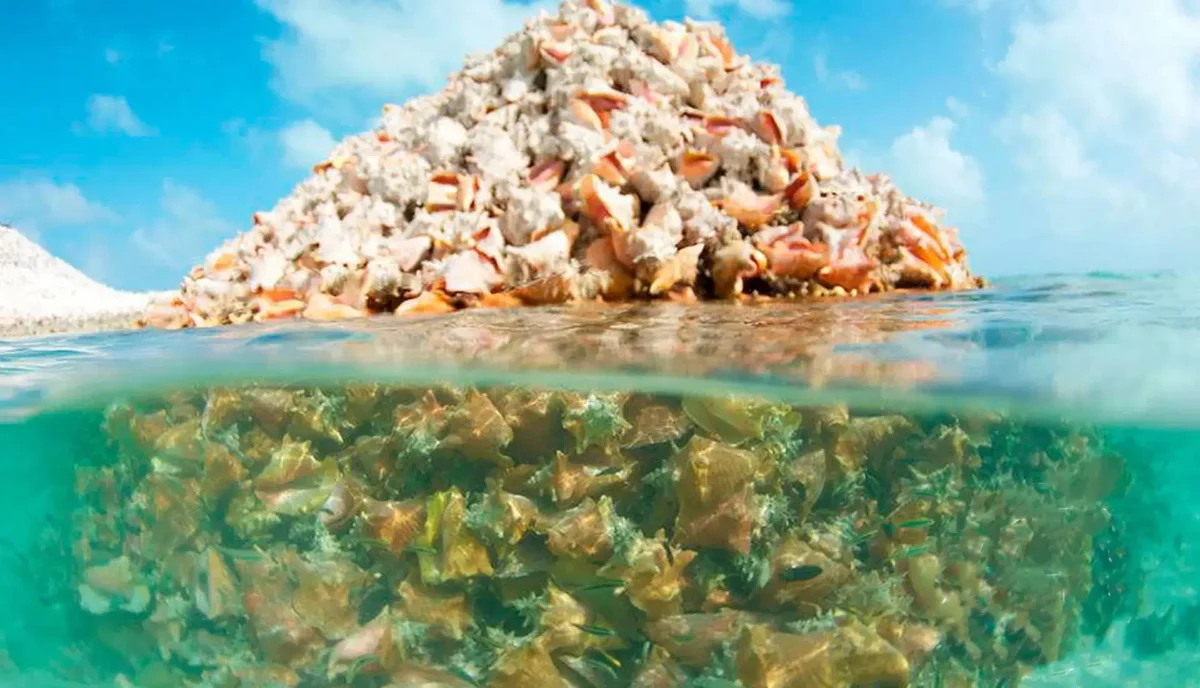
On the southeastern side of the island, accessible by dinghy from the anchorage, is one of the most extraordinary sights in the BVI: Conch Mountain.
Fishermen who clean their catch here have always deposited the empty shells in the same spot — if you scatter them elsewhere, the conch move away from the dead shells and abandon the bed. They’ve been doing this in exactly the same location for centuries. I have seen charts from the late 1600s that reference the conch pile as a navigational landmark. It has grown into a genuine mountain of shells, rising above the waterline and visible from a distance.


The dinghy trip to Conch Mountain is a half-day expedition. The return journey from the anchorage is 12 to 15 miles. Do not attempt it in a dinghy that cannot make 10 knots, do not go alone, and bring plenty of water, sun protection and a hat. The trip passes over extraordinary reef — eagle rays, southern stingrays, turtles, barracuda, and small sharks are all regular sightings in the shallow clear water. Often in the early afternoon you’ll find fishermen cleaning their catch at the Mountain; they’ll usually sell you fresh conch meat and lobster at prices that will make you wonder why you ever paid restaurant prices for either.
Horseshoe Reef surrounds the island and is the primary snorkelling destination for guests who don’t want to make the full dinghy trip to Conch Mountain. The coral heads in the shallow water hold extraordinary fish life — multi-coloured reef fish in numbers that look like an aquarium, interspersed with larger predators working the edges. Water shoes are useful; in the shallowest sections you can hop out of the dinghy and walk across the reef.


The Lobster Dinner
No visit to Anegada is complete without the lobster dinner. This is not a marketing phrase — it is a genuine experience that guests talk about for years afterward, and it works like nothing else in the BVI.
How it works: As you approach the anchorage, your captain will radio ahead to your chosen restaurant. The exchange goes something like this:
Captain: “I have eight guests on Mystical coming for dinner tonight.”
Restaurant: “We have lobster, steak, chicken, fresh grouper, and ribs. One grouper left.”
You decide how many of each you want. They set those aside. When an item runs out it drops off the list. That’s it. They tell you what time to arrive and a taxi will be arranged.
The lobster is Caribbean spiny lobster — no claws, all tail. It is split in half, seasoned with butter, herbs and local seasonings, wrapped in foil, and cooked over cut-open oil drums on the beach. You watch it being prepared by the people who caught it that morning. The sides are modest — coleslaw, potato salad, whatever the kitchen is running that day. Nobody comes to Anegada for the sides.


Where to go:
Potters by the Sea is the most popular choice and the one for guests who want a party atmosphere — music, dancing, a busy tent, lots of energy. It can feel rushed on a full night, and the seating is tight under the tent when it gets hot. But if your group wants to be in the middle of the action, this is the place.
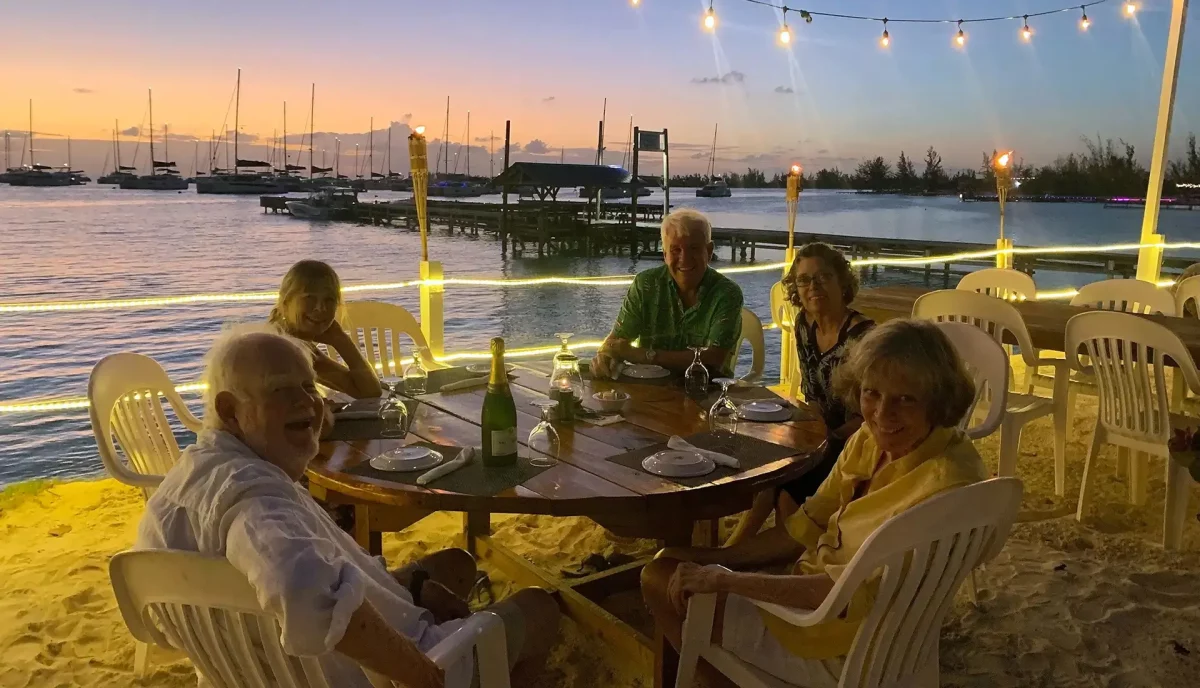
Anegada Reef Hotel is the original. They’ve been doing lobster dinners for decades. More space, more room to breathe, unhurried service, tables spread out on the sand with the anchorage glowing behind you. I don’t feel rushed here. The sides are similarly uninspiring — but again, not the point.
Anegada Beach Club is my favourite. It’s on the opposite side of the island with a completely different vibe — a deserted stretch of north shore beach, a pool, better food, a menu rather than a fixed offering. Once we brought a singer-songwriter and had him play for us on the beach after dinner under a sky full of stars. That might have coloured my view. But the food genuinely is the best on the island.
Wonky Dog gets high praise for its beach bar cocktails and has become a genuine dining destination. I haven’t had lobster there myself but guests consistently rate it well.
Neptune’s Treasure offers a broader menu including pizza, which makes it useful if you have guests who aren’t lobster people. I try conch fritters everywhere I possibly can in the Virgin Islands and Neptune’s version is excellent.
One practical tip: if you have lobster ashore, there will be leftovers. Bring them back to the yacht and ask your chef to make lobster bisque or lobster benedict the following morning. You will not regret it.


The Anegada Smoothie
While you’re at any of the beach bars, try the Anegada Smoothie — locally called the “Smoodie.” The recipe, in case you want to make it back on the boat:
Smoodie mix: 10 parts guava juice (one 42-oz can) — 2 parts pineapple juice (one 8-oz can) — 1 part cream of coconut (one third of a can of Coco Lopez). Pre-mix this. Fill a cup with ice, pour half to two-thirds full of dark rum, fill with the Smoodie mix, grate fresh nutmeg over the top. That’s it.
Getting Around Anegada
Taxis meet the anchorage regularly and the restaurants all arrange transport. For independent exploration, rent a Moke or golf cart — it’s the best way to cover the island at your own pace. The Settlement is worth a wander, the salt ponds are a short drive, and the eastern beaches are where the serious beachcombing happens.


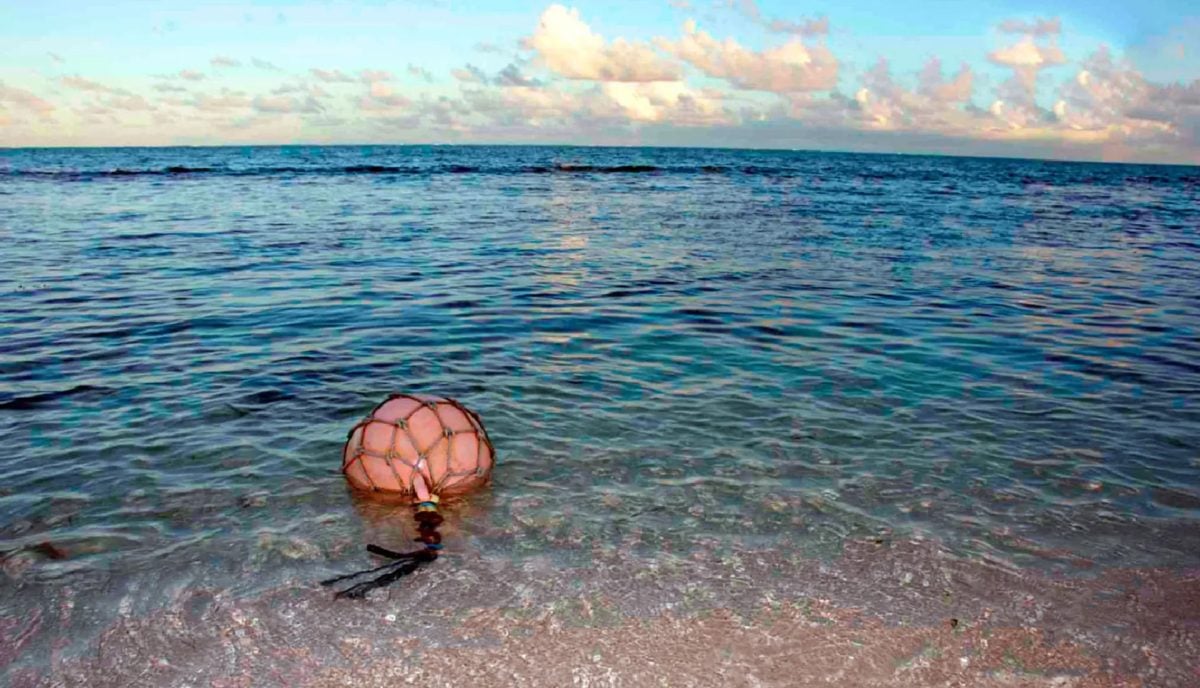
Beachcombing on the eastern shore is a pursuit in its own right. The windward beach collects everything the Atlantic sends across. I’ve found three messages in bottles over the years — one from a Canadian couple on a cruise ship in the mid-Atlantic 52 years earlier. We also regularly find weather sondes from weather balloons: styrofoam blocks about 12 by 6 by 3 inches with circuit boards, a battery and sensors attached. Sometimes two or three on a single beach walk. Beautiful small shells are always possible.
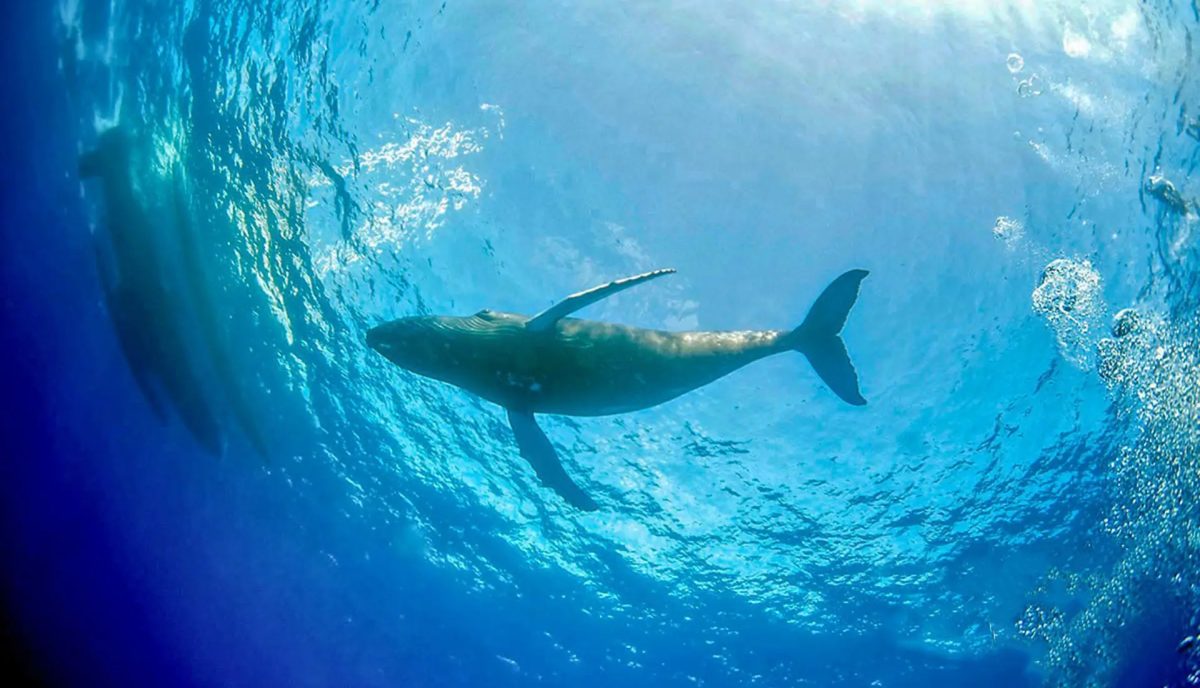
Whale season runs January through end of April. Humpbacks pass through these waters on their migration, and the first sign is usually the water spray when they surface to breathe. Watch the horizon on the sail to and from Anegada.
Fishing to and from Anegada is excellent — troll baits or lures on the passage and mahi-mahi and mackerel are regular catches. Many a fish caught on the run has ended up on the BBQ that evening.


Sailing On from Anegada
The most popular next stop after Anegada is Jost Van Dyke — usually a dead downwind sail, which means the trampoline is the place to be. This course takes you directly over the wreck of the Chikuzen, at roughly the halfway point, which is an outstanding scuba dive if conditions permit. Other options from Anegada include Cane Garden Bay, Guana Island, Marina Cay, and the Dog Islands.
Ready to Visit Anegada?
Anegada requires a deliberate decision to go — it’s out of the way, the approach takes care, and it adds time to any itinerary. Every single guest I have ever taken there has said it was the highlight of the week.
Plan one full day minimum. Two is better. Arrive mid-morning, go to the reef or Conch Mountain in the afternoon, have your lobster dinner ashore in the evening, and spend the following morning on the north shore beaches before the sail back.