
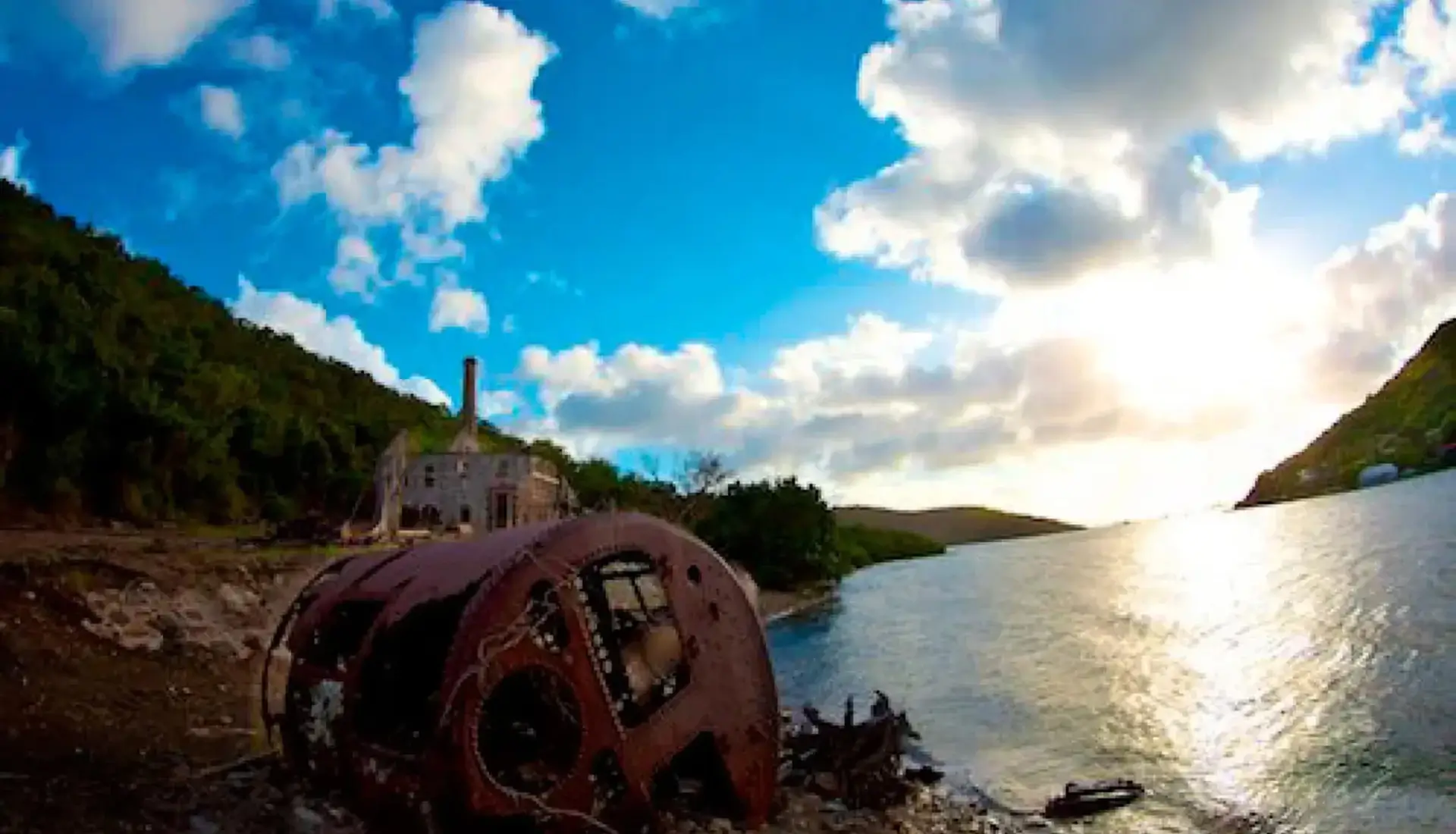


We had the absolute best week that felt like a dream sailing around The BVI. Shoutout to the best crew who felt like our family by the end of the trip!
From $94,000/week
 Scuba
Rare find
All Inclusive
Scuba
Rare find
All InclusiveAll Inclusive
The charter rate shown includes the use of the charter yacht with professional crew and onboard equipment.
Also included are all meals and snacks onboard, all beverages from the yachts fully stocked bar along with tea, coffee and non-alcoholic drinks. All water sport activities provided by the yacht and fuel for both the yacht and tender.
Excluded in the rate are airport transfers, shore activities such as shopping, dining or special off yacht activities, port fees, park permits and fishing permits in certain locations. Any premium liquor, wines and champagne that not normally stocked and excessive alcohol consumption will be an additional charge.
Crew Gratuity is separate and is typically 15%-20% of the charter rate. This should be given to your captain at the end of your charter.
WOW...what an unforgettable 8 days in the British Virgin Islands! Our group of seven had the absolute best time aboard the Awatea catamaran! The crew were wonderful hosts and so accommodating. They really are true professionals and enjoy taking care of their guests.
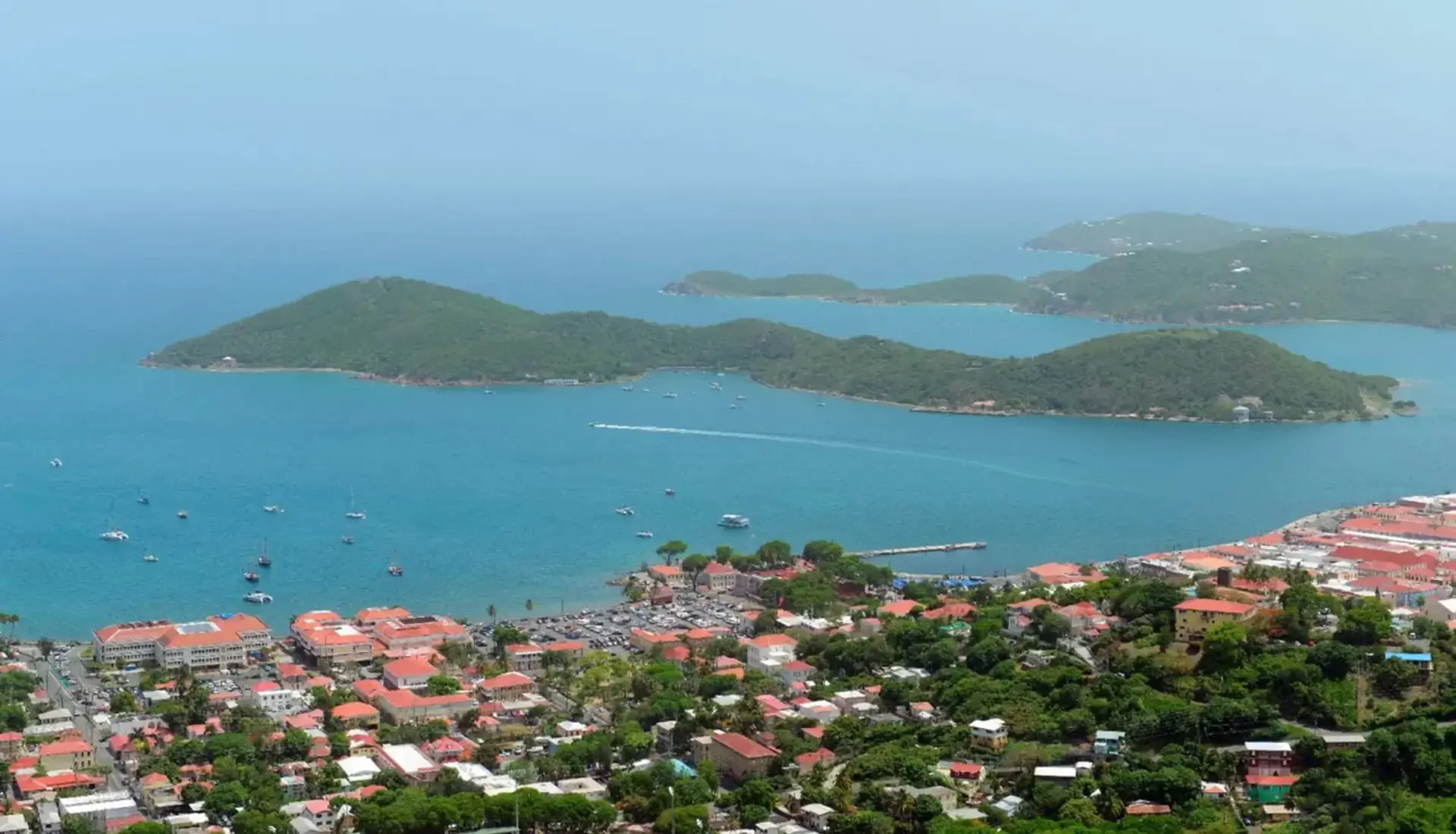
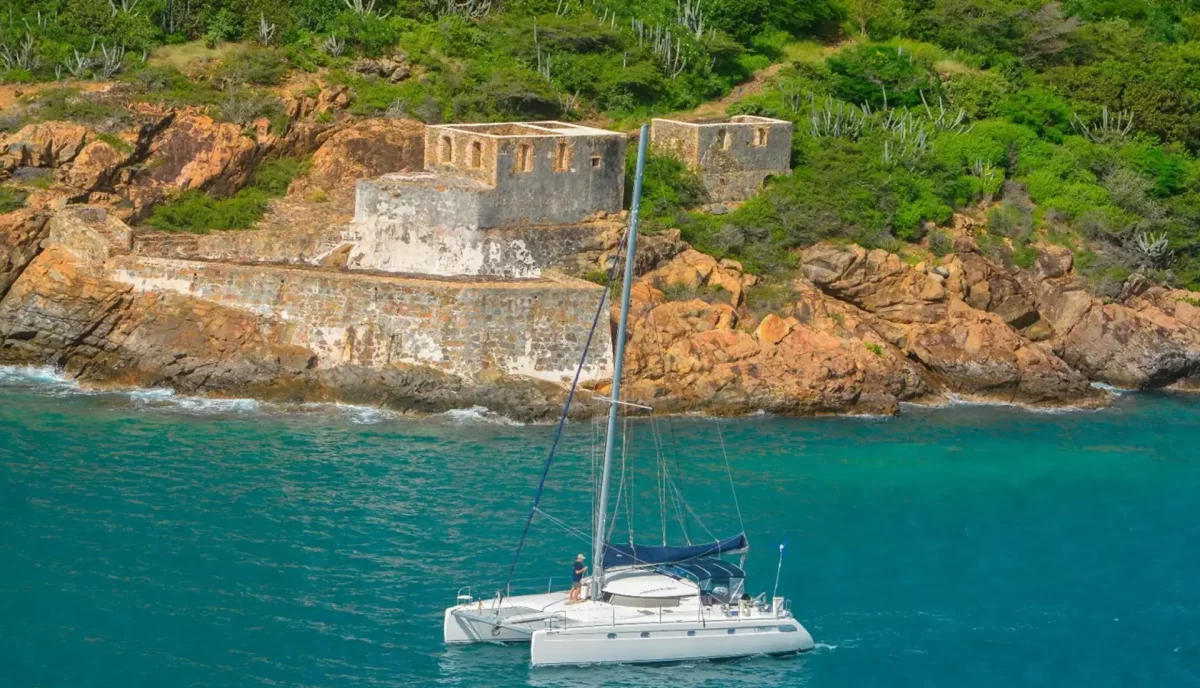
Every day felt like a postcard—turquoise water, hidden coves, incredible snorkeling, beach bars, island hopping, and sunsets that didn't even look real. We swam with sea turtles, ate like we were in a fine dining establishment, laughed until our stomachs hurt, soaked up the sunshine, and made memories we'll be talking about for years.
The catamaran was beautiful, comfortable, and had plenty of space for all of us to spread out, relax, or hang out together. I loved the sustainability efforts with the fresh herbs and solar panels, and nothing went to waste. There was never a dull moment, but it was also the perfect place to kick back with a drink and enjoy the amazing views. There was Wi-Fi available, if we needed it. This allowed us to keep in contact with our loved ones back home and to share the experiences in real time.
One of the unexpected highlights was having front row seats to the 2026 BVI Spring Regatta & Sailing Festival. I had never experienced something like this before and it took my breath away.
The best part was being able to unplug and enjoy the experience. Every day brought a new island, another amazing place to explore, see and do new things some of us had never done. Every stop seemed better than the last, and the entire experience was seamless from beginning to end.
If you're even thinking about chartering a catamaran in the BVI—DO IT with Awatea! It's the perfect mix of adventure, relaxation, and nonstop fun. This wasn't just a vacation; it was one of the best experiences we've ever had. Easy 5 stars, and we will always remember this amazing trip!
From $52,000/week
Scuba
Epic choice
All InclusiveAll Inclusive
The charter rate shown includes the use of the charter yacht with professional crew and onboard equipment.
Also included are all meals and snacks onboard, all beverages from the yachts fully stocked bar along with tea, coffee and non-alcoholic drinks. All water sport activities provided by the yacht and fuel for both the yacht and tender.
Excluded in the rate are airport transfers, shore activities such as shopping, dining or special off yacht activities, port fees, park permits and fishing permits in certain locations. Any premium liquor, wines and champagne that not normally stocked and excessive alcohol consumption will be an additional charge.
Crew Gratuity is separate and is typically 15%-20% of the charter rate. This should be given to your captain at the end of your charter.
A dream vacation with our family is the best experience ever. Thank you so much for your hospitality and kindness. The food, drinks, video, and laughter made a lifetime of memories.
We will be back!
From $84,000/week
Scuba
All InclusiveAll Inclusive
The charter rate shown includes the use of the charter yacht with professional crew and onboard equipment.
Also included are all meals and snacks onboard, all beverages from the yachts fully stocked bar along with tea, coffee and non-alcoholic drinks. All water sport activities provided by the yacht and fuel for both the yacht and tender.
Excluded in the rate are airport transfers, shore activities such as shopping, dining or special off yacht activities, port fees, park permits and fishing permits in certain locations. Any premium liquor, wines and champagne that not normally stocked and excessive alcohol consumption will be an additional charge.
Crew Gratuity is separate and is typically 15%-20% of the charter rate. This should be given to your captain at the end of your charter.