

Yacht Charters, Explained: Finding the Right Broker

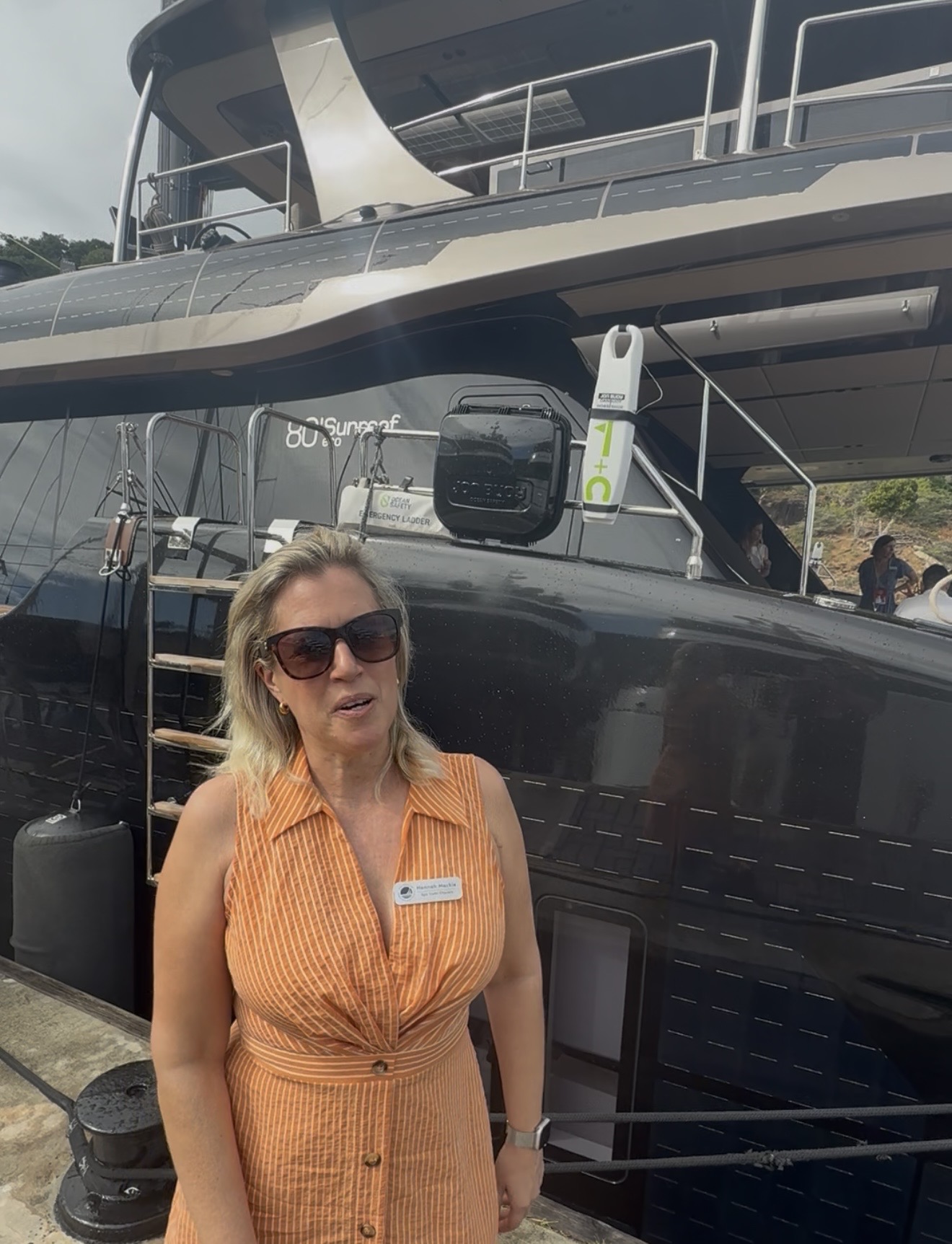
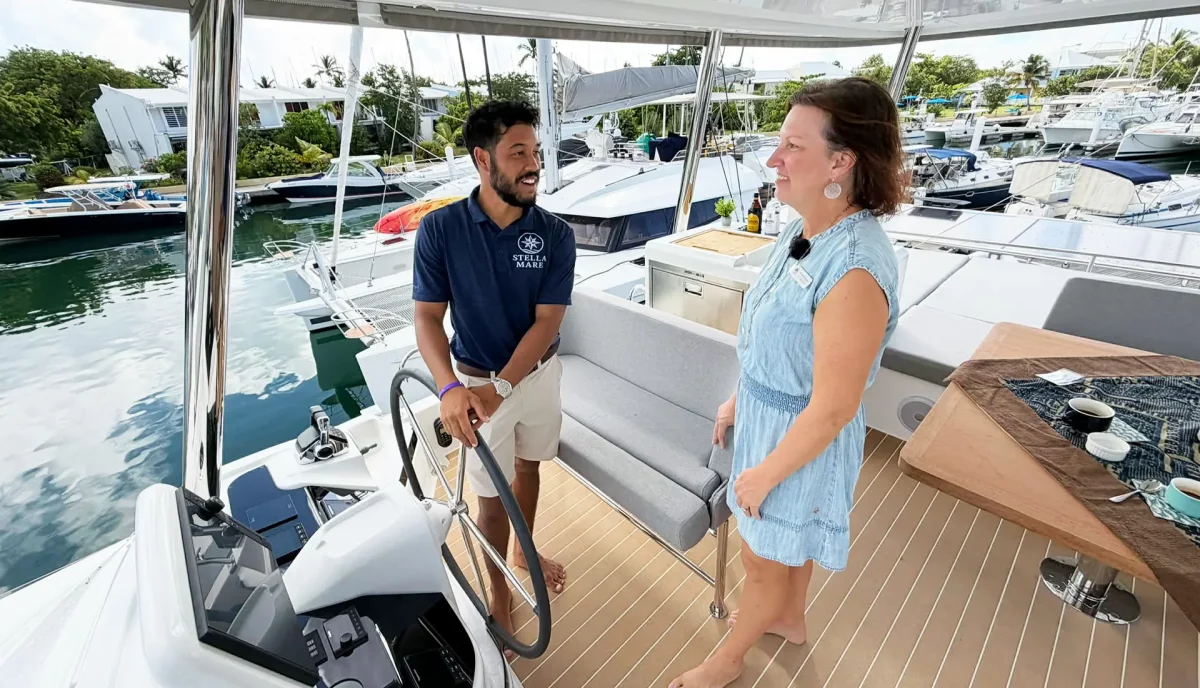
Yacht broker having conversation with charter catamaran captain on deck

One of the easiest ways to end up on the wrong yacht is choosing the wrong broker.

The yacht itself is important, of course — but finding the right one, understanding what will actually work for your group, and navigating the entire booking process all depend on who’s guiding you through it.

When people first start looking into yacht charters, they often assume the process is about finding a beautiful boat and booking it. In reality, most yacht charters are arranged through a charter brokerage, and the broker you choose plays a central role in shaping the experience from start to finish.

A good broker doesn’t just help you select a yacht. They help you ask the right questions, filter out unsuitable options, manage the details behind the scenes, and make sure the yacht you end up on is genuinely the right fit for how you like to travel.

What a yacht charter broker actually does

Think of a yacht charter broker as the filter between you and the industry.

Brokerages have access to a wide range of yachts across different destinations, sizes, crew configurations, and budgets. Instead of being tied to one boat, they’re able to curate a shortlist of yachts that genuinely match your group, your travel style, and your expectations.

That means fewer options — but better ones.

A strong broker listens first. They want to understand who’s travelling, how you like to spend your time, whether you prefer quiet anchorages or lively ports, how important food is to you, and what kind of pace you enjoy. From there, they match you with yachts that actually make sense — not just yachts that happen to be available.

If you’d like a deeper explanation of why this role matters so much, this guide breaks it down clearly: Why use a yacht charter broker?

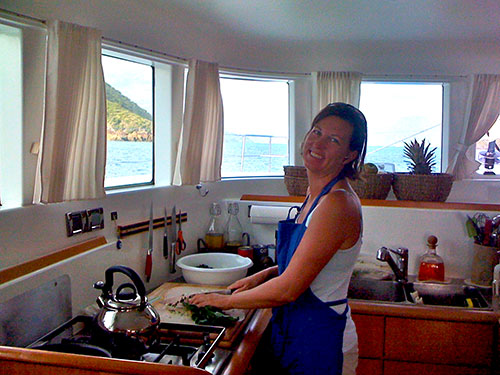
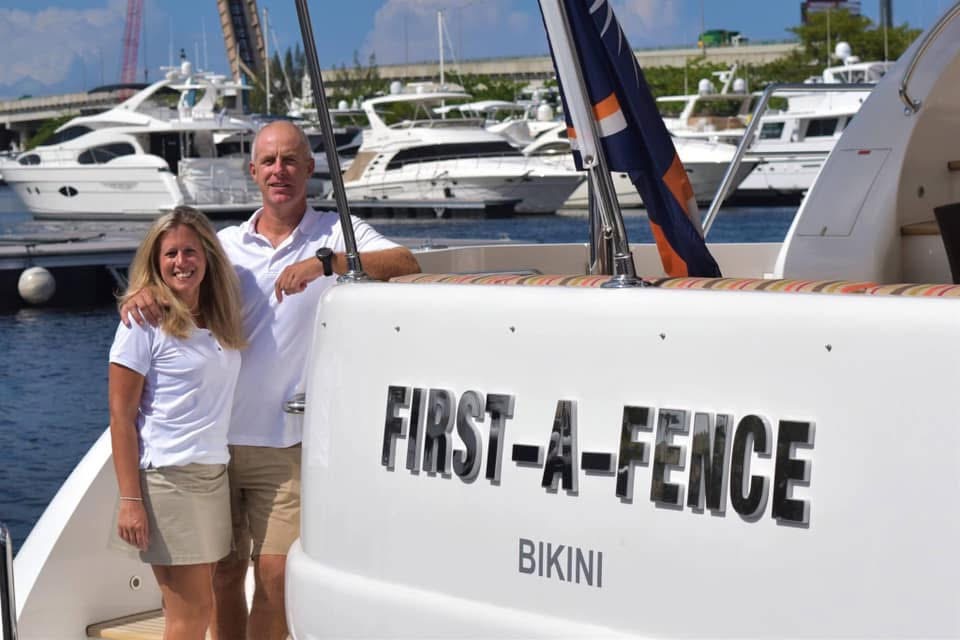
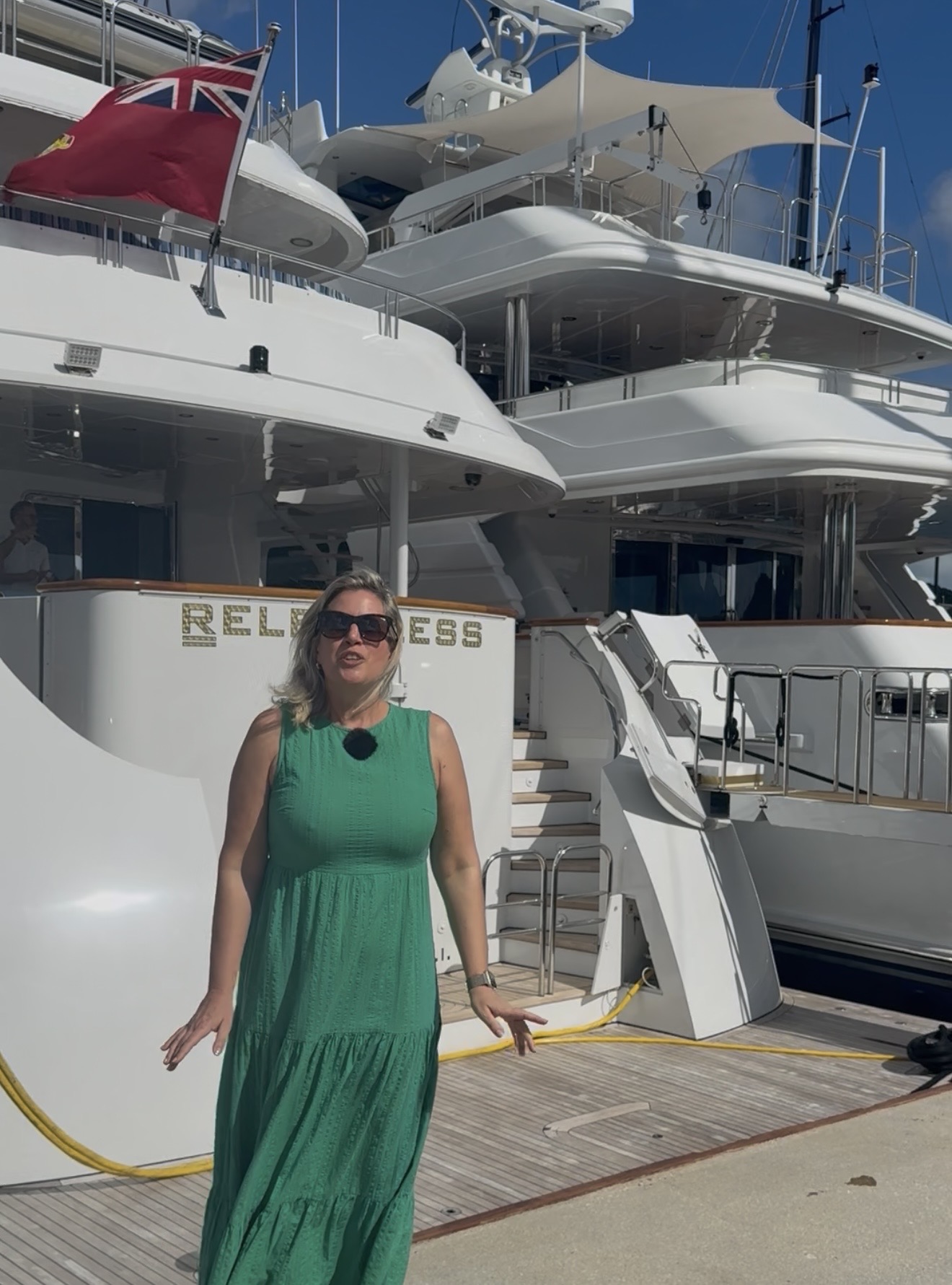
Epic brokers Michelle and Hannah when they were charter yacht chefs

Why real onboard experience matters

One of the most important questions you can ask a broker is surprisingly simple:

“Have you ever worked as crew on a yacht?”

This matters more than most people realise.

Someone who has actually been crew understands how a charter really runs. They know what’s feasible, what’s realistic, and what sounds great on paper but doesn’t quite work in real life. It’s a bit like hiring someone to build your house — you wouldn’t choose someone who’s never actually built one before.

A broker with onboard experience understands the rhythm of a charter day, the dynamics between crew and guests, and how small details can shape the entire experience. That insight doesn’t come from listings or brochures. It comes from lived experience.

Destination knowledge isn’t optional

The next question worth asking is where your broker has worked or personally spent time on yachts.

A broker with firsthand destination experience understands distances, prevailing winds, weather patterns, anchorages, and what a realistic itinerary actually looks like. That means no over-promising and no disappointment.

This becomes especially important when comparing regions. A yacht charter in the Caribbean feels very different from one in the Mediterranean — not just in scenery, but in pace, pricing structure, and how much time is typically spent onboard versus ashore.

A good broker helps you choose what fits how you like to travel, not what simply sounds impressive.

The importance of yacht shows and due diligence

Another strong indicator of a quality broker is whether they regularly attend charter yacht shows.

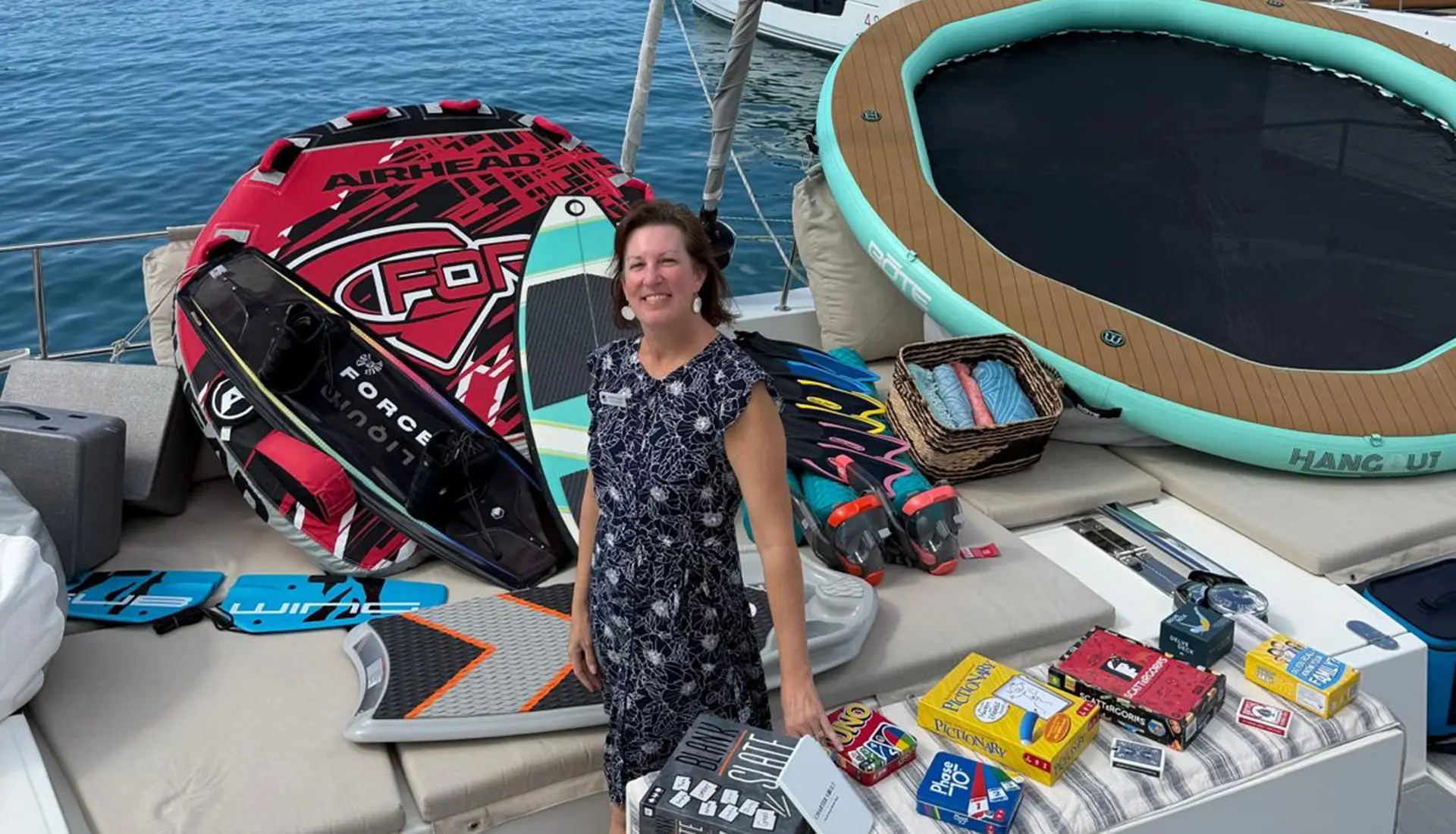
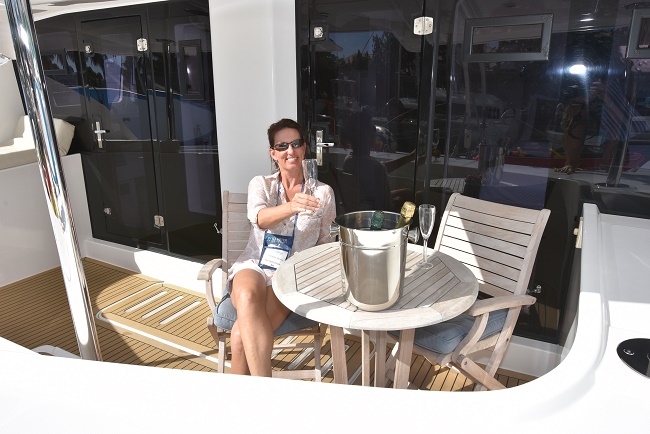
These shows allow brokers to step onboard yachts in person, meet crews, and see how boats are actually being run — beyond polished photos and marketing copy.

At yacht shows, brokers can quickly tell which yachts are meticulously maintained and which ones are slipping. They can see which crews are engaged, professional, and genuinely care about the guest experience — and which crews are simply going through the motions.

Just as importantly, they learn which yachts to recommend… and which ones to quietly avoid.

That level of insight only comes from being there, year after year. For example, Epic Yacht Charters regularly attends events like the Greece Charter Yacht Shows, stepping onboard yachts and meeting crews as part of their due diligence.

Why walkthroughs and real footage matter

It’s also worth asking whether your broker has personally stepped onboard the yachts they’re recommending — and whether they can share their own walkthrough videos.

Professional photography is designed to sell. A simple phone video often gives a far more honest sense of a yacht’s layout, condition, and overall feel. It shows how spaces connect, how cabins are arranged, and whether the yacht feels open, cosy, or more formal.

A broker who provides this kind of content is usually doing more than passing along listings — they’re helping you visualise your experience before you commit.

Choosing substance over sales pitches

Finding the right broker isn’t about being shown the flashiest yachts or the most polished photos.

It’s about choosing someone who is genuinely acting in your best interest.

There are a lot of yacht charter brokerages out there, and not all of them operate in the same way. Some are deeply invested in matching you with the right yacht and crew for your trip. Others are far more focused on securing you as a client — even if that means pitching whatever is easiest to book, glossing over important details, or pushing yachts that aren’t truly the best fit.

This is why vetting your broker is so important.

A good broker filters options for you. They narrow the field, remove unsuitable yachts, and explain why certain boats or crews are — or aren’t — a good match. A less thoughtful broker may simply send everything that’s available and let you choose based on photos, price, or availability alone.

That difference might not be obvious at the beginning. It becomes very obvious once you’re onboard.

Questions you should ask before choosing a yacht charter broker

Before deciding who to book your yacht charter through, it’s worth asking a few direct questions. A good broker will welcome them — and answer them easily.

  • How long have you been in business?
    Longevity matters in an industry built on relationships, reputation, and repeat clients.
  • Have you ever worked as crew on a yacht?
    Firsthand onboard experience makes a significant difference in understanding charter life.
  • Where have you personally crewed or chartered?
    Destination experience matters more than generic knowledge.
  • Which charter yacht shows have you attended recently?
    And which yachts stood out to you — and why?
  • Have you personally stepped onboard the yachts you’re recommending?
    Ask whether they’ve met the crews or filmed walkthroughs themselves.
  • Where are you reviewed?
    Look for independent reviews, not just curated testimonials.
  • Can you share client testimonials or references?
    A reputable broker should be able to point to genuinely happy past clients.

None of these questions are confrontational. They’re simply a way to understand who you’re trusting with a significant investment — and a very personal vacation.

How brokers help with cost clarity

A good broker also plays a crucial role in helping you understand yacht charter costs clearly.

Rather than simply quoting a number, they explain what’s included, how expenses are structured, and what to expect once you’re onboard. They help you understand the difference between the charter fee, onboard costs, and discretionary spending ashore — so there are no surprises later.

If you’d like a clearer breakdown of how yacht charter pricing works, including what influences cost and how budgets are typically structured, this guide explains it in detail:
Yacht charter cost: what to expect

That level of transparency is exactly what a strong broker provides.

What comes next

Once you’ve found the right broker, one of the first big decisions they’ll help you with is where to go.

Because a yacht charter in the Caribbean feels very different from one in the Mediterranean. The pace, pricing structure, and overall experience change depending on the destination.

In the next part of this series, we’ll break down the differences between Caribbean and Mediterranean yacht charters, so you can understand what each offers — and which one might be the better fit for you.

Why this clarity matters?

Yachting has a reputation for being intimidating, opaque, or reserved for a selectfew. But the reality is that most people who end up chartering a yacht didn’t start out convinced they would. They started by learning. By asking questions. By understanding how it works. By seeing where it might fit — or where it might not.
And that’s the point of this series. Not to convince anyone that a charter is the right choice — but to give you the clarity you need to decide for yourself. Because once yachting is explained properly, it often stops feeling out of reach —and starts feeling simply… misunderstood.

Curious where you fit? Check out our other blogs in this series

What a Yacht Charter Really Is?

What Does a Yacht Charter Cost?

What’s included?

A Day in the Life on Charter

Travel Agents
Scroll to Top

Looking for more options?

Our main collection features a hand-picked selection of truly exceptional yachts — chosen for their quality, crew, and overall charter experience. If you’d like to explore a broader range of yachts across additional destinations, you can view our full worldwide charter portfolio.