One of the biggest surprises people have about yacht charters is just how much is actually included — especially when it comes to food and drinks onboard.
Once people understand the price of a yacht charter, the next question is almost
always: “Okay… but what am I actually getting for that?” And this is where yachting really starts to make sense. Because while yacht charters may seem expensive at first glance, the value becomes much clearer once you understand what’s already built into the experience— and how little you actually have to think about once you’re onboard. Let’s start with food, because this is one of the most misunderstood parts of yacht charters.
What meals look like on a yacht charter
On typical yacht charters in the Caribbean, all meals are included, and they’re prepared fresh onboard every day by your private chef. Mornings usually begin at an easy pace. Breakfast is often a continental spread — fruit, yogurt, pastries, cereal — alongside a hot option of the day. That might be eggs made to order, pancakes, French toast, or something simple and comforting, depending on how your group likes to start the morning. There’s no rush, no buffet lines, and no reservation to make. Breakfast happens when your group is ready, and it naturally sets the tone for the day. Lunch tends to follow the rhythm of whatever you’ve been up to. It might be a relaxed meal onboard after a swim, something light enjoyed at anchor, or a fresh spread served between activities. Think salads, grilled dishes, wraps, or locally inspired plates — satisfying but not heavy. In the afternoons, there’s usually something available to graze on. Snacks, appetizers, or a charcuterie-style setup often appear as the day winds down — something easy to pick at while reading, swimming, or watching the scenery go by. And then there’s dinner. Every night.
At a minimum, you can expect a two-course dinner, and often more depending on the yacht, the chef, and the occasion. Some evenings are casual and family-style, others might feel a little more elevated — especially if you’re celebrating something or simply in the mood to dress up a bit. Meals are planned entirely around your preferences. If you want relaxed, kid-friendly dinners, that’s what you’ll get. If you’re food-focused and excited to try the chef’s most creative dishes, they’ll lean into that instead.
The little details people don’t expect
One detail guests consistently love is the snack basket. Most yachts keep a basket stocked with the things you’ve said you enjoy — salty snacks, chocolate, fruit, favorite treats, or specific brands you’ve requested. It’s a small thing, but it makes a big difference. You’re never really “between meals” on a yacht, and you never have to ask. It’s one of those details that quietly reinforces the feeling that everything has been thought through for you.
Let’s talk about drinks
On all-inclusive charters, there’s a standard bar stock included as part of the price. This isn’t frat-party quality alcohol. It’s solid, mid-range liquor, wine, beer, and mixers — the kind of stock most people are more than happy with on vacation. Before your trip, you’ll share your preferences: what you like to drink, what you don’t, and roughly how much your group tends to consume. The crew then provisions accordingly. Once onboard, this is where things often get fun. Crews are incredibly good at reading the room. They’ll experiment with new cocktail ideas, put their own spin on drinks you already enjoy, or quietly work on perfecting a favorite until it’s just right. Many guests end up leaving with a new “boat cocktail” they associate forever with that trip. And this is an important distinction to make:
This isn’t about ordering from a menu. It’s about being looked after.
More than food and drinks — it’s about ease
What people often don’t realize is that they’re not just paying for food and drinks. They’re paying for ease. You’re not planning meals. You’re not making reservations. You’re not cooking, cleaning, or coordinating schedules. You’re not deciding where to go for dinner or how to get there. Everything flows naturally, and the crew handles the logistics quietly in the background. That sense of ease is a huge part of what makes yacht charters feel so different from other vacations. You’re able to actually relax because the mental load is gone.
Are there ever extra costs?
Of course, not everything is always included. Certain specialty items or premium requests may be extra — specific high-end wines, champagne brands, or rare ingredients, for example. Some destinations also structure costs slightly differently than the Caribbean. The important thing is that all of this is explained clearly upfront, before you ever step onboard. There are no surprises, and no awkward moments once you’re there. What surprises people instead is how taken care of they feel once the trip is underway. Meals appear when you’re ready. Drinks are offered without you asking. Snacks show up at just the right moment. And everything feels effortless, even though there’s a lot happening behind the scenes.
Why this matters for the overall experience
Once food and drinks are handled so seamlessly, something interesting happens. People stop thinking about logistics entirely. Days become less about plans and more about moments — swimming when you feel like it, lingering over lunch, staying anchored a little longer because everyone’s happy where they are. That absence of decision-making is what many guests notice most. There’s no constant planning, no checking the time, and no pressure to be anywhere else. The rhythm of the day unfolds naturally, guided by mood, weather, and the simple enjoyment of being on the water.
And that naturally leads to the next question people ask: If all of this is included… what do we actually do all day? Because that’s where yachting really opens up. In the next part of this series, we’ll talk about activities on yacht charters — what’s included, what’s optional, and why you don’t need a packed itinerary to have an unforgettable week on the water.
The captain manages the APA account like an operating budget, tracking every expense with receipts.
During Your Charter:
- The captain maintains detailed expense records
- All receipts are retained for documentation
- On longer charters (7+ days), mid-week accounting updates are common
- If APA runs low, captain will discuss with you before requesting additional funds
Final Day of Charter:
- Captain prepares comprehensive expense report
- Review shows all expenditures with supporting receipts
- Remaining APA balance is calculated
- You receive complete accounting documentation
What If APA Runs Out?
This is uncommon with proper planning, but if you’re exceptionally active, travel extensively, or make numerous premium requests, the APA may be insufficient. In these cases:
- Captain notifies you when APA reaches approximately 20% remaining
- You discuss options: reduce expenses or add funds
- Additional payment can be made via wire transfer or credit card
- Charter continues without interruption
Good communication with your captain about preferences and activities helps prevent APA shortfalls. An experienced charter broker helps you estimate appropriate APA amounts during booking.
Sample APA Accounting
Here’s an example of typical APA expenses for a $40,000/week charter with $12,000 APA:
Fuel and Dockage:$3,800
- Diesel fuel for yacht and tenders: $2,400
- Marina fees (3 nights): $900
- Mooring balls and harbor fees: $500
Provisions:$4,200
- Groceries and fresh provisions: $2,800
- Alcoholic beverages: $1,100
- Specialty items and dietary requirements: $300
Activities and Services:$2,100
- Scuba diving (2 tanks per person): $800
- Shore excursion to ruins with guide: $600
- Special dinner celebration setup: $400
- Water toy rentals (jet ski half-day): $300
Communications and Miscellaneous: $600
- Starlink internet usage: $350
- Laundry service: $150
- Special provision delivery: $100
Total Expenses: $10,700, APA Provided: $12,000, Refund to Guest: $1,300
This accounting is provided with all supporting receipts, showing complete transparency in how your APA was utilized.
Understanding the difference between these two pricing models helps you choose the right option for your vacation style.
Plus-Expenses Charter (APA Model)
How it works:
- Pay charter fee plus APA upfront
- Captain tracks actual expenses
- Receive accounting and any refund at charter end
Advantages:
- Complete transparency—see exactly where money goes
- Flexibility to adjust preferences during charter
- Pay only for what you actually consume
- Unused funds returned to you
- Premium provisions and experiences available
Considerations:
- Requires APA payment upfront (larger initial outlay)
- Final cost unknown until charter ends
- Need to discuss preferences and budget with captain
All-Inclusive Charter
How it works:
- Single price covers charter fee AND typical operating expenses
- Specific inclusions outlined in contract
- No additional charges unless you exceed package terms
Advantages:
- Know total cost upfront
- Simplified budgeting and planning
- No APA payment or final accounting
- Often includes standard bar and provisions
Considerations:
- Premium or special requests may incur extra charges
- Less flexibility for custom experiences
- Includes budget limitations on provisions
- Still need to pay crew gratuity separately
Typical All-Inclusive Coverage:
- Standard fuel allowance (limited cruising hours)
- House wine, beer, and basic spirits
- Three meals daily with standard provisions
- Standard water toys and equipment
- Local cruising within specified area
Common All-Inclusive Exclusions:
- Premium wines and all champagnes
- Top-shelf spirits or specialty cocktails
- Excessive fuel use (extended cruising or high speeds)
- Shore dining at restaurants
- Special activities (scuba diving, guided tours)
- Crew gratuity
Most luxury crewed charters in prime destinations like the Mediterranean, Caribbean, and Bahamas operate on the APA model because it provides the flexibility and transparency that discerning charterers expect. All-inclusive options are more common for budget-friendly or charters in the Virgin Islands.
The Advanced Provisioning Allowance (APA) is a standard part of most luxury yacht charters, typically set at 25 to 40% of your base charter fee, the APA ensures your captain and crew have the funds needed to deliver a seamless experience—covering everything from fuel and food to docking fees and local taxes. Your APA covers all variable operational expenses during your charter like:
Fuel and Dockage:
- Diesel or gasoline for the yacht and tenders
- Marina fees and mooring costs
- Port charges and harbor dues
- Generator fuel for power at anchor
Food and Beverages:
- All groceries for meals prepared onboard
- Wine, spirits, beer, and specialty beverages
- Special dietary requirements or premium ingredients
- Snacks, coffee, and provisions for the crew
Activities and Entertainment:
- Water sports equipment rentals beyond standard toys
- Scuba diving arrangements and tank refills
- Shore excursions and guided tours
- Special event arrangements or decorations
- Transportation to restaurants or attractions
Communications and Services:
- Satellite phone or internet usage (if charged separately)
- Laundry and dry cleaning services
- Special delivery services for provisions
- National park fees or marine reserve charges
Additional Crew or Services:
- Massage therapists or yoga instructors
- Dive instructors or water sports coaches
- Additional crew for special events ( Musicians etc)
- Local guides or interpreters
The 25-40% range covers most standard charters, but consider these factors:
Higher APA (35-40%) recommended for:
- Motor yachts with high fuel consumption
- Extensive cruising itineraries covering long distances
- Frequent dining on board
- Active water sports programs with rentals
- Remote destinations with higher provisioning costs
- Large groups requiring abundant provisions
Lower APA (25-30%) may suffice for:
- Sailing catamarans with minimal fuel needs
- Shorter cruising distances in one area
- Primarily dining aboard with chef-prepared meals
- Standard water toys without rentals
- Well-provisioned charter bases with competitive prices
- Smaller groups with modest consumption
Lower APA (5-10%) works for:
- Larger All- inclusive catamarans often ask for an extra amount for fine wines, transfers and unexpected expenses
Your charter broker can help you estimate appropriate APA based on your specific itinerary and preferences. It’s always better to have excess APA (which is refunded) than to run short mid-charter. Any extra APA can be returned or given to the crew toward gratuity.
Understanding the payment schedule helps you budget properly for your yacht charter vacation.
Standard Payment Schedule
At Booking (Contract Signing):
- 50% of the charter fee as a deposit
- This secures your yacht and dates
- Payment typically due within 5-7 days of signed agreement
8 Weeks Before Charter:
- Remaining 50% of charter fee (covers yacht, crew, equipment, insurance).
- Full APA amount (typically 25 to 40% of the charter fee)
- Any VAT (Value Added Tax) of the charter fee
- Delivery Fees (if any)
During Charter:
- The captain manages the APA account and tracks expenses
- Mid-week update is standard on longer charters, daily if you request.
- Additional APA payment if original amount proves insufficient (rare with proper planning)
End of Charter:
- Captain presents detailed expense accounting
- Unused APA funds returned to you (typically via wire transfer within 2 weeks)
- Crew gratuity paid separately (typically 10 to 20% of the charter fee, depending on region)
Payment Methods Accepted
- Wire transfers (preferred for large amounts)
- Credit cards (may incur 3-5% processing fee)
- Certified checks (requires advance timing)
- Digital payment platforms for some brokerages
International charters may involve currency exchange considerations. Confirm the currency of payment with your broker—some Caribbean charters price in USD, while Mediterranean charters often use EUR. Your charter agreement will specify the currency and payment methods.
Security Deposits
Unlike the APA, most yacht charters do NOT require a separate security deposit. The charter fee and APA structure covers normal operational expenses, and yacht insurance protects against major damage. However, some charter yachts may require:
- Additional deposit for extremely high-value vessels or for special events
- Damage waiver fees as an alternative to deposits
- Always clarify deposit requirements with us during booking.
Yes—absolutely. The APA is YOUR money held in trust for operating expenses, not additional payment to the charter company or yacht. Any unused APA is returned at the end of your charter, typically by wire transfer within two weeks, or you can choose to put it toward the crew gratuity.
APA charters suit:
- Guests who value complete transparency in expenses
- Those with specific preferences or premium taste in provisions
- Groups planning diverse activities or extensive travel
- Charterers comfortable with variable final costs
- Anyone who appreciates detailed accounting
Why this clarity matters?
Yachting has a reputation for being intimidating, opaque, or reserved for a selectfew. But the reality is that most people who end up chartering a yacht didn’t start out convinced they would. They started by learning. By asking questions. By understanding how it works. By seeing where it might fit — or where it might not.
And that’s the point of this series. Not to convince anyone that a charter is the right choice — but to give you the clarity you need to decide for yourself. Because once yachting is explained properly, it often stops feeling out of reach —and starts feeling simply… misunderstood.
Curious where you fit? Check out our other blogs in this series
What a Yacht Charter Really Is?
What Does a Yacht Charter Cost?
First Time Charter Tips That Matter
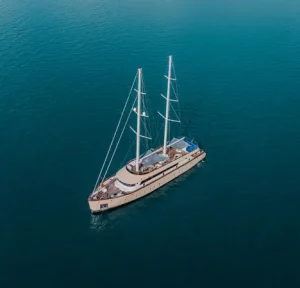
From €75,000/week
Plus Expenses or APA (Advanced Provisioning Allowance)
The charter rate shown includes the use of the charter yacht, professional crew and onboard equipment.
All other daily expenses, that are not included in the base rate, will be covered with an Advanced Provisioning Payment (APA). This is collected before the charter commences.
APA expenses include fuel for both the yacht and tender, provisions, dockage, moorings, airport transfers, cruising permits and taxes, scuba diving and onshore excursions.
The APA payment is typically 20%-25% of the base charter rate for sailing yachts and 30%-35% for motor yachts. Your captain will purchase provisions, taxes, fuel etc for the charter using the APA and will keep all receipts along with a running log of expenses. This can be viewed at any time during your charter.
Any APA that has not been spent will be returned to you at the end of the charter. If during the charter, expenses exceed the APA, additional funds will need to be submitted. Your captain will update and advise you if any further payment is required. This will need to be paid before you disembark.
Crew Gratuity is separate and is typically 15%-20% of the charter rate. This should be given to your captain at the end of your charter.
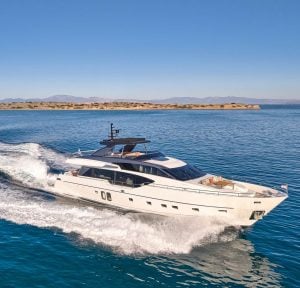
From €55,000/week
Plus Expenses or APA (Advanced Provisioning Allowance)
The charter rate shown includes the use of the charter yacht, professional crew and onboard equipment.
All other daily expenses, that are not included in the base rate, will be covered with an Advanced Provisioning Payment (APA). This is collected before the charter commences.
APA expenses include fuel for both the yacht and tender, provisions, dockage, moorings, airport transfers, cruising permits and taxes, scuba diving and onshore excursions.
The APA payment is typically 20%-25% of the base charter rate for sailing yachts and 30%-35% for motor yachts. Your captain will purchase provisions, taxes, fuel etc for the charter using the APA and will keep all receipts along with a running log of expenses. This can be viewed at any time during your charter.
Any APA that has not been spent will be returned to you at the end of the charter. If during the charter, expenses exceed the APA, additional funds will need to be submitted. Your captain will update and advise you if any further payment is required. This will need to be paid before you disembark.
Crew Gratuity is separate and is typically 15%-20% of the charter rate. This should be given to your captain at the end of your charter.
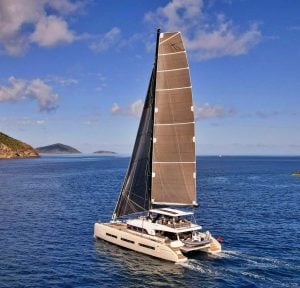
A dream vacation with our family is the best experience ever. Thank you so much for your hospitality and kindness. The food, drinks, video, and laughter made a lifetime of memories.
We will be back!
From $84,000/week
 Scuba
All Inclusive
All Inclusive
The charter rate shown includes the use of the charter yacht with professional crew and onboard equipment.
Also included are all meals and snacks onboard, all beverages from the yachts fully stocked bar along with tea, coffee and non-alcoholic drinks. All water sport activities provided by the yacht and fuel for both the yacht and tender.
Excluded in the rate are airport transfers, shore activities such as shopping, dining or special off yacht activities, port fees, park permits and fishing permits in certain locations. Any premium liquor, wines and champagne that not normally stocked and excessive alcohol consumption will be an additional charge.
Crew Gratuity is separate and is typically 15%-20% of the charter rate. This should be given to your captain at the end of your charter.