The Ultimate Water Sports Guide
When planning your Caribbean yacht charter activities, you’ll find endless ways to enjoy both life onboard and adventures ashore. From thrilling water sports and family-friendly fun to cultural excursions and luxurious experiences, your private yacht opens the door to activities tailored to your style. Here’s your complete guide to making the most of your yacht vacation.The peak season for a Caribbean yacht charter runs from December through April, with the driest weather, calm seas and excellent visibility for snorkeling and diving.
- December to April: peak season. Christmas, New Year and spring break weeks book up early and cost more.
- May to July: quieter anchorages and warm water, with short passing showers.
- August to November: the heart of hurricane season, which officially runs June 1 to November 30. Many yachts take a break from chartering in late summer and fall.
For the British Virgin Islands, see What is The Best Time to go to The BVI?
It mostly comes down to when you want to travel, how you prefer to pay, and how you like to spend your days.
- Season: Caribbean charters are best from December through April. Greece and Croatia run from April or May through October.
- Pricing: Most Caribbean crewed catamarans are all-inclusive. Mediterranean charters usually add an APA of about 25 to 40% of the charter fee, plus VAT.
- Pace: In the British Virgin Islands the islands are close together, so days are short hops with plenty of time in the water. In Greece and Croatia the islands are further apart, and we suggest at least 7 nights.
- Time ashore: Mediterranean charters usually include more dining and sightseeing ashore. Caribbean charters center on beaches, snorkeling and meals onboard.
Your broker will match the destination to your dates, group and budget.

There a various ferry services that can transport you from St Thomas to Tortola (BVI). The following companies offer direct routes from Charlotte Amalie or Red Hook across to either Road Town or West End:
- Native Son
- Road Town Fast Ferry
- Smiths Ferry
- Aquatic Rentals Ferry Service

Crewed yacht charters in Croatia run from April through to the end of October. The best time to go is during shoulder season – May, June, and September.
Chartering in Shoulder Season (May, June and September)
Pros
- Comfortable temperatures
- Fewer crowds to enable a more authentic experience
- Lower prices
Cons
- Water is still cool in the beginning of May
- Weather less predictable
Chartering in summer season (July and August)
Pros
- Warmer weather and hottest days
- Warm water great for snorkelling, swimming and water sports
- Fun atmosphere with many events and festivals
Cons
- Most expensive time to charter
- Large crowds
Chartering in off- season (April and October)
Pros
- Significantly lower prices
- Less crowded
- Ideal for sailers who like stronger winds
Cons
- Cooler seas temperatures
- Less attractions will be open
- Weather can be less predictable
Temperatures
- High Season – July – August – Average 85 °F (29 °C)
- Mid-Season – June – September – Average 77 °F (25 °C)
- Low Season – April, May and October – 71 °F (22 °C)
 Crewed yacht charters in Greece run from April through to the end of October.
The best time for a crewed yacht charter is in the shoulder seasons – May, June, September and October. During these months you will have some warm weather, and fewer crowds. July and August have the hottest temperatures, but this time will attract more crowds and higher prices. There is also more chance of windy conditions during the summer months, called the Meltemi.
Chartering in Shoulder Season
Pros
- Warm temperatures and long daylight hours
- Fewer crowds to enable a more authentic experience.
- Calmer conditions and less strong winds than that of July and August
Cons
- Water is still cool in May
Chartering in summer season
Pros
- Warmer weather and hottest days
- Warm water great for snorkelling, swimming and water sports.
Cons
- Most expensive time to charter
- Large crowds
- Strong Meltemi winds creating challenging conditions.
Temperatures
- High Season – July – August – Average 85 °F (29 °C)
- Mid-Season – June – September – Average 77 °F (25 °C)
- Low Season – April, May and October – 71 °F (22 °C)
 Croatia has 9 international airports including Split (SPU), Zadar (ZAD) and Dubrovnik (DBV), which are all close to the coast. Direct flights are available from Chicago, New York, Dallas, Miami and Houston as well as from many locations across Europe.
Split – Many yacht charters start and end in split and so this would be the most convenient airport. This is a great city to spend some time in before your charter. Most yachts are based in Marin Kastela which is a 15-minute taxi ride from Split Airport.
Dubrovnik – You may wish to charter one way from Dubrovnik to Split or Vice Versa. Dubrovnik is a great place to explore before or after your crewed yacht charter.
Zadar – A great option if your charter is based in the northern region.
 No visa is required to enter the British Virgin Islands. You are allowed to stay for up to one month provided you meet the entry requirements.
- Please make sure you have a valid passport and at least one blank page
- Complete the online portal 36 hours before your arrival. Customs and Immigration Form
- You will need to have details of accommodations
- You may be asked to provide proof of your return flight/ferry
 You can fly commercial or private into Nassau (airport code NAS). After a taxi ride, your yacht will pick you up at the marina. You may wish to fly into the Exuma Cays, on a small plane, to start your sailing vacation there and then you can depart from Nassau when you leave.
Makers Air provides daily direct flights from Fort Lauderdale, Florida to Staniel Cay and other locations in the Bahamas to make your trips quick and stress-free. A Cessna Caravan is popular for island hopping by air. It is also possible to fly by waterplane and fly straight to your yacht at anchor in the Cays from Nassau.
 The best way to get to this beautiful Caribbean island is St. Maarten’s Princess Juliana International Airport (PJIA), the second-busiest airport in the eastern Caribbean. It is very modern and from here you can taxi it to the marina where your crew will meet you.
The much smaller L’Espérance Airport, in Grand Case on French St. Martin, caters largely to inter-island commuter airlines and small private aircraft. Your charter yacht can pick you up at the small dock nearby.
 There are multiple ways to get to the BVI
 There are multiple ways to get to the BVI
Fly direct to Tortola (EIS) and take a taxi to your crewed yacht charter or hotel. The Tortola airport has many flights daily from Miami with American, and from Puerto Rico and St Maarten via Cape Air, Seaborne, and Liat Airlines.
Fly into St Thomas and take a scenic 45-minute ferry ride into the BVI. The ferry will depart from either Charlotte Amalie or Red Hook and go to West End or Road Town on Tortola. Your crew can arrange transportation for you from the ferry terminal to the marina. Ferry Guide
Fly into St Thomas and take a private water taxi to your yacht. A taxi will pick you up form the airport and take you to Red Hook. There you will meet your water taxi. The journey across to Tortola is around 30 minutes. You will first stop in West End to clear customs and immigration and then get taken to your hotel or crewed yacht. Water Taxi Guide
 There are various airlines flying directly into St. Thomas. Airport (code STT). Flights are also daily from Puerto Rico (code SJU). Most international flights depart in the afternoon, which is convenient since your yacht charter ends at noon. Once in the USVI, short flights will take you to St. Croix.
 Greece has 14 International airports, with Athens (ATH) being the largest. There are many direct flights available to Athens including from:
- Atlanta
- Boston
- Chicago
- Philadelphia
- Washington DC and
- New York – which alone has 60 direct flights per day!
As a US citizen, there are no visa requirements. You can get to any island in Greece to start your yacht charter, using the airport and ferry system.
We would suggest spending a few nights in Athens before you board your crewed yacht. This way you can take some time to acclimatize and take in some sites, such as the Acropolis and the Parthenon.
Yacht charters tend to start in Athens, Piraeus, or Lavrion. Taxis and private limos are easily available to take you to the marina to meet your yacht and the crew.
 The peak BVI charter yacht season runs from December through April. Here are some things to take into consideration when planning what time of year to take your crewed yacht charter.
- Temperatures are around 79°F from December to March and around 84°F from May to October.
- Expect to pay slightly higher rates during holiday weeks – Christmas, New Years and Thanksgiving
- Christmas and New Year’s weeks are booked up to 18 months in advance.
- The busiest months are December to April. Enjoy warm sinner weather, less rainfall and lower humidity.
- March and April are busy with spring break charters. These weeks get booked up so make sure you start to think about your charter at least 9 months to a year in advance to get the best selection.
- If you are wanting smaller crowds May, June and July will be quieter on the water.
- The driest months are usually February to April
- Increased rainfall will be May – November. This will short bursts, followed by hot sunshine.
The peak season for a Caribbean yacht charter runs from December through April, with the driest weather, calm seas and excellent visibility for snorkeling and diving.
- December to April: peak season. Christmas, New Year and spring break weeks book up early and cost more.
- May to July: quieter anchorages and warm water, with short passing showers.
- August to November: the heart of hurricane season, which officially runs June 1 to November 30. Many yachts take a break from chartering in late summer and fall.
For the British Virgin Islands, see What is The Best Time to go to The BVI?
Planning Your Caribbean Yacht Charter Activities
With so many Caribbean yacht charter activities available, your captain and crew will customize an itinerary that balances relaxation with adventure. From Caribbean yacht charter activities in turquoise waters to cultural encounters ashore, every day brings something new to discover. Whether you’re traveling with family, friends, or as a couple, these experiences guarantee memories that last a lifetime. Ready to book your Caribbean yacht charter? Contact us today or explore our complete FAQ for more information about planning your vacation.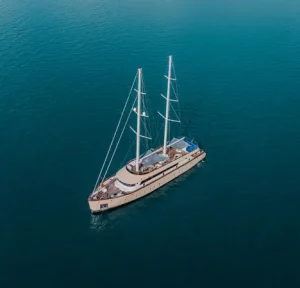
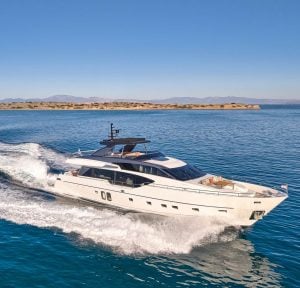
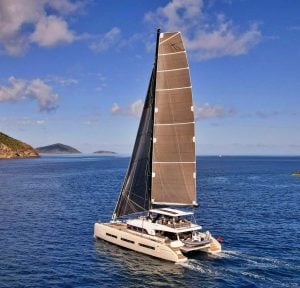
A dream vacation with our family is the best experience ever. Thank you so much for your hospitality and kindness. The food, drinks, video, and laughter made a lifetime of memories.
We will be back!
From $84,000/week
 Scuba
All Inclusive
All Inclusive
The charter rate shown includes the use of the charter yacht with professional crew and onboard equipment.
Also included are all meals and snacks onboard, all beverages from the yachts fully stocked bar along with tea, coffee and non-alcoholic drinks. All water sport activities provided by the yacht and fuel for both the yacht and tender.
Excluded in the rate are airport transfers, shore activities such as shopping, dining or special off yacht activities, port fees, park permits and fishing permits in certain locations. Any premium liquor, wines and champagne that not normally stocked and excessive alcohol consumption will be an additional charge.
Crew Gratuity is separate and is typically 15%-20% of the charter rate. This should be given to your captain at the end of your charter.