
One of the easiest ways to end up on the wrong yacht is choosing the wrong broker.
The yacht itself is important, of course — but finding the right one, understanding what will actually work for your group, and navigating the entire booking process all depend on who’s guiding you through it.
When people first start looking into yacht charters, they often assume the process is about finding a beautiful boat and booking it. In reality, most yacht charters are arranged through a charter brokerage, and the broker you choose plays a central role in shaping the experience from start to finish.
A good broker doesn’t just help you select a yacht. They help you ask the right questions, filter out unsuitable options, manage the details behind the scenes, and make sure the yacht you end up on is genuinely the right fit for how you like to travel.
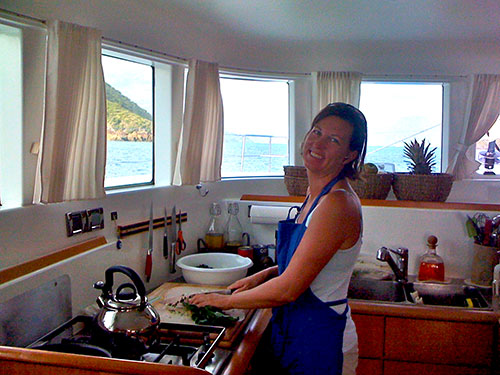
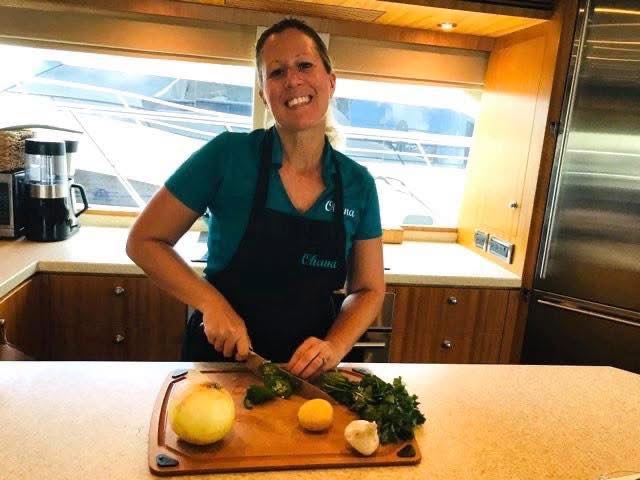
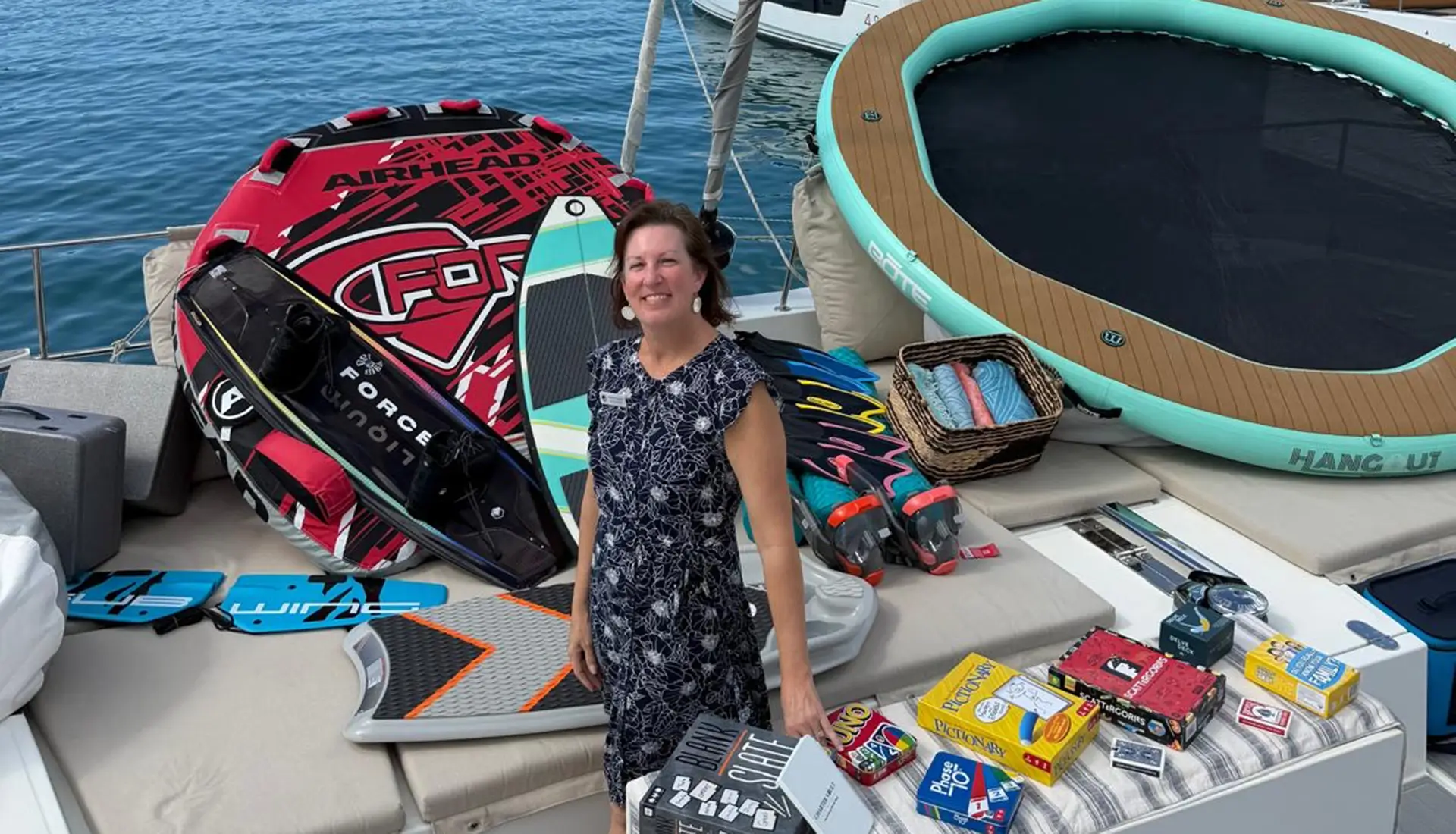
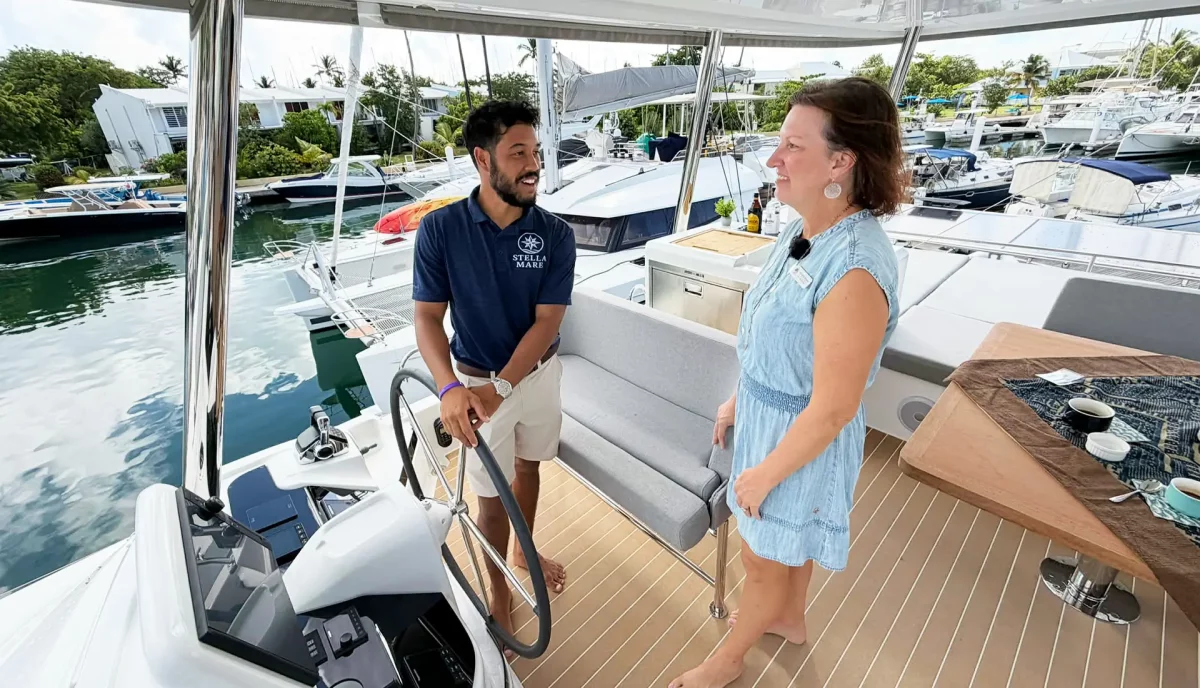
Epic brokers Michelle and Hannah when they were charter yacht chefs
No, meal plans are chosen at booking and factored into your charter contract. Half-board yacht charters usually carry a lower base rate because some meals are at your own expense ashore, though the savings depend on your shore dining choices. Budget-conscious groups can select casual beach bars and local restaurants, while others might enjoy the flexibility to splurge at high-end establishments—you control the additional expense. Once you factor in the cost of the meals on shore, a half board charter could turn out to be more costly. Here are some things to consider: Half Board: Full Board: Benefits include: A half board yacht charter offers flexibility to enjoy both onboard dining and local restaurants ashore. It’s budget-friendly, ideal for food lovers, and perfect for guests who want a balance between all-inclusive convenience and authentic island dining. Benefits include: Half-Board Sample Itinerary Full-Board Sample Itinerary A full board yacht charter (sometimes called “FB”) includes all meals onboard, prepared by the yacht’s professional chef. Breakfast, lunch, dinner, snacks, and beverages are provided, giving guests an all-inclusive dining experience throughout the trip. This option provides maximum convenience and is especially popular for families, larger groups, and itineraries where dining ashore isn’t a priority. On a half board yacht charter, some meals are provided on board by your crew, and the rest are enjoyed ashore at local restaurants. Typically, breakfast and lunch are included, with several dinners served onboard. The remaining meals are at your own expense, giving you flexibility to explore authentic dining at your destinations. A half board yacht charter (sometimes called “HB”) includes a mix of onboard meals and time ashore to enjoy local restaurants. Guests usually have: Local Fare Variation This variation provides slightly more onboard dining while still incorporating local restaurant experiences. Half-board charters are ideal for: For detailed comparison of half-board versus full-board options, see our comprehensive Half-Board vs Full-Board Yacht Charter Guide with benefits, costs, and decision frameworks. Half board vs full board yacht charters comes down to flexibility and dining style. Half board (also called “partial board”) includes some meals on the yacht, leaving room to enjoy restaurants ashore. Full board covers all meals onboard with a set menu and service. Half board offers variety and slightly lower base costs, while full board ensures all-inclusive convenience. Full board is the usual choice in the Caribbean, where most crewed catamarans are all-inclusive. Half board is more common in the Mediterranean, where dining ashore is part of the experience.
Some yachts offer a “local fare” option with fewer shore meals:
Choose half board if you:
Choose full board if you:
Why this clarity matters?
Yachting has a reputation for being intimidating, opaque, or reserved for a selectfew. But the reality is that most people who end up chartering a yacht didn’t start out convinced they would. They started by learning. By asking questions. By understanding how it works. By seeing where it might fit — or where it might not.
And that’s the point of this series. Not to convince anyone that a charter is the right choice — but to give you the clarity you need to decide for yourself. Because once yachting is explained properly, it often stops feeling out of reach —and starts feeling simply… misunderstood.
Curious where you fit? Check out our other blogs in this series
What a Yacht Charter Really Is?
What Does a Yacht Charter Cost?
First Time Charter Tips That Matter


From €75,000/week
Plus Expenses or APA (Advanced Provisioning Allowance)
The charter rate shown includes the use of the charter yacht, professional crew and onboard equipment.
All other daily expenses, that are not included in the base rate, will be covered with an Advanced Provisioning Payment (APA). This is collected before the charter commences.
APA expenses include fuel for both the yacht and tender, provisions, dockage, moorings, airport transfers, cruising permits and taxes, scuba diving and onshore excursions.
The APA payment is typically 20%-25% of the base charter rate for sailing yachts and 30%-35% for motor yachts. Your captain will purchase provisions, taxes, fuel etc for the charter using the APA and will keep all receipts along with a running log of expenses. This can be viewed at any time during your charter.
Any APA that has not been spent will be returned to you at the end of the charter. If during the charter, expenses exceed the APA, additional funds will need to be submitted. Your captain will update and advise you if any further payment is required. This will need to be paid before you disembark.
Crew Gratuity is separate and is typically 15%-20% of the charter rate. This should be given to your captain at the end of your charter.


From €55,000/week
Plus Expenses or APA (Advanced Provisioning Allowance)
The charter rate shown includes the use of the charter yacht, professional crew and onboard equipment.
All other daily expenses, that are not included in the base rate, will be covered with an Advanced Provisioning Payment (APA). This is collected before the charter commences.
APA expenses include fuel for both the yacht and tender, provisions, dockage, moorings, airport transfers, cruising permits and taxes, scuba diving and onshore excursions.
The APA payment is typically 20%-25% of the base charter rate for sailing yachts and 30%-35% for motor yachts. Your captain will purchase provisions, taxes, fuel etc for the charter using the APA and will keep all receipts along with a running log of expenses. This can be viewed at any time during your charter.
Any APA that has not been spent will be returned to you at the end of the charter. If during the charter, expenses exceed the APA, additional funds will need to be submitted. Your captain will update and advise you if any further payment is required. This will need to be paid before you disembark.
Crew Gratuity is separate and is typically 15%-20% of the charter rate. This should be given to your captain at the end of your charter.


A dream vacation with our family is the best experience ever. Thank you so much for your hospitality and kindness. The food, drinks, video, and laughter made a lifetime of memories.
We will be back!
From $84,000/week

All Inclusive
The charter rate shown includes the use of the charter yacht with professional crew and onboard equipment.
Also included are all meals and snacks onboard, all beverages from the yachts fully stocked bar along with tea, coffee and non-alcoholic drinks. All water sport activities provided by the yacht and fuel for both the yacht and tender.
Excluded in the rate are airport transfers, shore activities such as shopping, dining or special off yacht activities, port fees, park permits and fishing permits in certain locations. Any premium liquor, wines and champagne that not normally stocked and excessive alcohol consumption will be an additional charge.
Crew Gratuity is separate and is typically 15%-20% of the charter rate. This should be given to your captain at the end of your charter.